
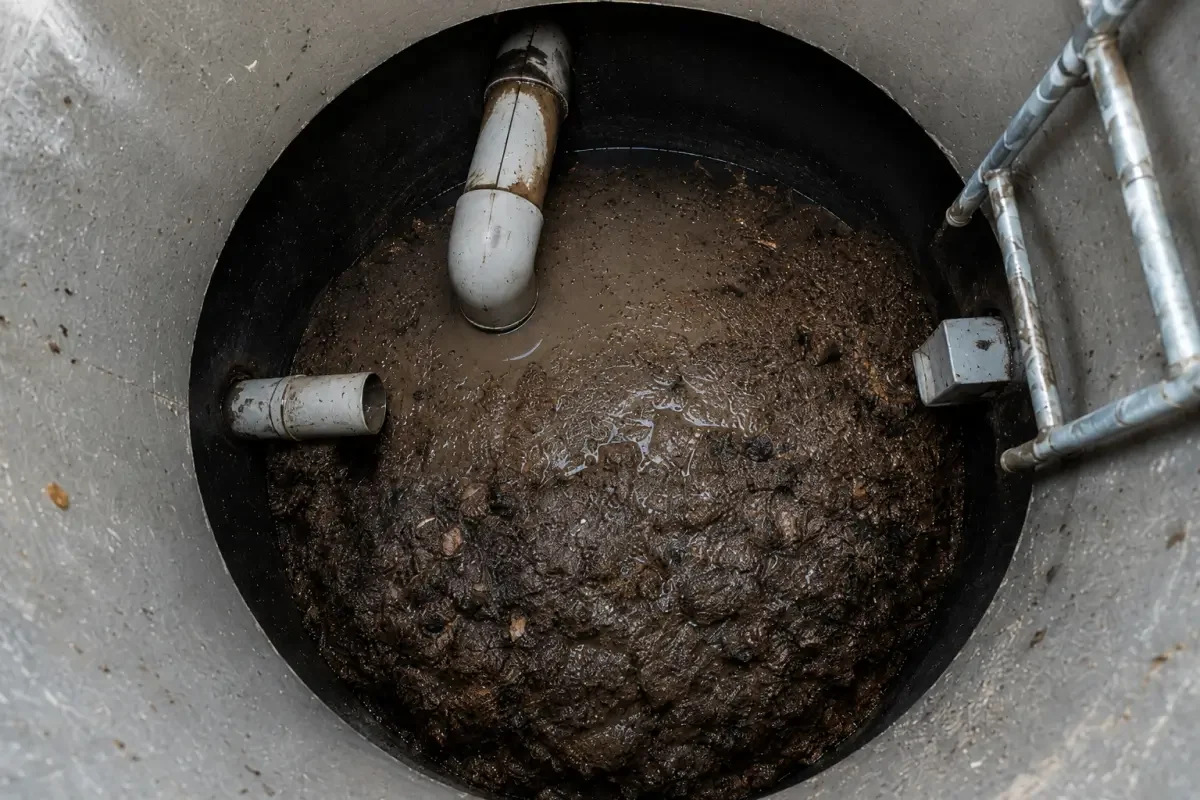
Stormwater tanks help manage runoff, reduce flooding pressure, and support drainage system performance across commercial and urban environments. However, sediment accumulation can gradually reduce system efficiency over time.
Sediment buildup is one of the most common issues affecting long-term stormwater storage performance.
Many facilities reviewing stormwater tank maintenance concerns identify sediment accumulation during routine inspections or drainage assessments.
What Causes Sediment Buildup in Stormwater Tanks?
Stormwater systems collect runoff from roads, roofs, paved surfaces, and surrounding infrastructure.
This runoff may carry:
- Soil particles
- Organic material
- Dust
- Debris
- Leaves
- Pollutants
Over time, these materials settle inside stormwater tanks and drainage systems. Sediment accumulation often develops gradually and may go unnoticed without regular inspections.
How Sediment Affects Tank Capacity
Stormwater tanks are designed to store and manage specific water volumes. As sediment accumulates, available storage space may decrease.
Reduced storage capacity can contribute to:
- Overflow risks
- Reduced detention performance
- Increased drainage pressure
- Faster system saturation
Storage limitations may become more noticeable during heavy rainfall events.
Blocked Outlets and Reduced Drainage Efficiency
Sediment can eventually restrict pipes, outlets, and drainage pathways.
This may lead to:
- Slower drainage
- Water pooling
- Increased pressure
- Flow restrictions
- Outlet blockages
Restricted drainage performance can affect the entire stormwater management system. Routine inspections help identify developing flow problems earlier.
Sediment May Increase Contamination Risks
Stormwater sediment often contains contaminants collected from surrounding surfaces.
These may include:
- Oils
- Heavy metals
- Organic waste
- Chemical residues
- Fine particles
As contaminants accumulate, water quality inside the system may gradually decline.
Facilities monitoring contamination concerns sometimes review how poor stormwater quality damages tanks to better understand long-term system risks.
Standing Water can Create Additional Problems
Blocked drainage and sediment buildup may increase standing water inside tanks or connected infrastructure.
Standing water may contribute to:
- Odours
- Bacterial growth
- Mosquito activity
- Internal deterioration
- Surface staining
Poor drainage conditions may also accelerate structural wear over time.
Sediment Can Affect Tank Structures
Excessive sediment accumulation may place additional stress on stormwater systems.
Over time, this may contribute to:
- Internal wear
- Surface abrasion
- Corrosion risks
- Reduced inspection access
- Maintenance complications
Long-term sediment exposure may also affect pumps, valves, and filtration components connected to the system.
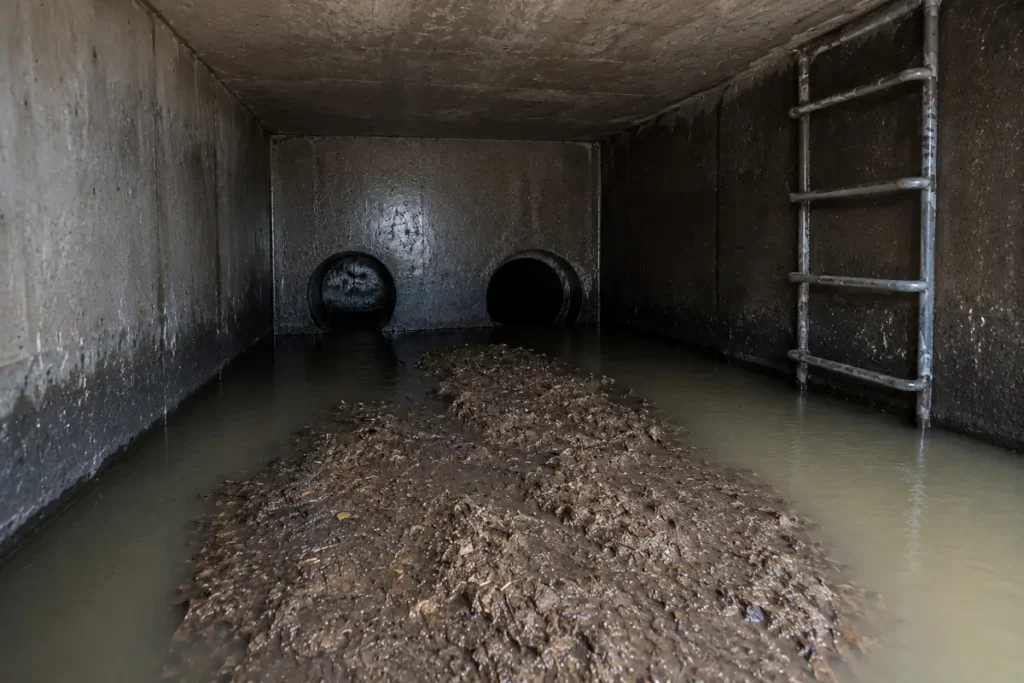
Inspection Programs Help Identify Sediment Problems
Routine inspections help monitor sediment levels and overall system condition.
Inspection programs often assess:
- Sediment depth
- Drainage performance
- Outlet condition
- Water flow
- Structural condition
- Internal contamination
Documented inspections help facilities track gradual sediment accumulation over time. Inspection findings may also support future maintenance planning.
Urban Environments Often Increase Sediment Loads
Urban infrastructure generates large amounts of runoff during rainfall events.
Stormwater systems in urban areas may receive sediment from:
- Construction activity
- Traffic surfaces
- Landscaping
- Industrial areas
- Footpaths and paved surfaces
Sediment loads often increase after storms or nearby construction work. These environmental factors can affect long-term stormwater system performance.
Why Cleaning Becomes Important
Sediment removal helps restore storage capacity and drainage efficiency.
Cleaning programs may help reduce:
- Overflow risks
- Drainage restrictions
- Water quality concerns
- Structural deterioration
- System blockages
Facilities reviewing long-term cleaning strategies may also explore why every property needs a stormwater system cleaning guide for broader maintenance planning considerations.
Stormwater System Performance Depends on Monitoring
Long-term stormwater performance relies on consistent inspections and preventive maintenance. Without regular monitoring, sediment accumulation may gradually reduce system reliability.
Preventive programs often support:
- Better drainage efficiency
- Improved storage capacity
- Reduced operational risks
- Longer infrastructure lifespan
Inspection history also helps identify recurring system challenges over time.
The Role of Stormwater Tank Maintenance Services
Large commercial systems may require more detailed inspection and cleaning programs.
Some facilities use stormwater tank maintenance services to help assess sediment levels, monitor drainage performance, and support long-term infrastructure management.
Service requirements often depend on site conditions, rainfall exposure, and surrounding land use.
Final Thoughts
Sediment buildup remains one of the most common causes of reduced stormwater tank performance. Over time, accumulated debris and contaminants can affect storage capacity, drainage efficiency, and overall system reliability.
Routine inspections help identify sediment problems earlier and support more effective maintenance planning.
As urban infrastructure continues expanding, sediment management remains an important part of long-term stormwater system performance.
