

Stormwater tanks play a critical role in managing runoff, preventing flooding, and protecting waterways across Australian urban and industrial environments. Yet while these systems are designed to handle large water volumes, they are not built to withstand long-term exposure to highly contaminated stormwater. When stormwater quality declines, the risk of tank deterioration grows rapidly — leading to structural damage, reduced performance, and costly failures.
For facilities that rely on long-term stormwater storage, choosing high-quality, well-protected stormwater tanks is essential to prevent sediment buildup, chemical damage, and premature structural failure.
Understanding how poor stormwater quality affects tank components is essential for councils, builders, engineers, and facility managers responsible for sustainable water management. Below we break down the most damaging pollutants found in stormwater and explain how each one impacts tank performance over time.
Why Stormwater Quality Matters for Tank Longevity
Every storm event washes pollutants from roads, roofs, industrial sites, and urban surfaces into stormwater infrastructure. Even small amounts of contaminants can accumulate inside tanks and detention systems, accelerating deterioration.
Poor stormwater quality typically leads to:
- faster corrosion of metal surfaces
- structural damage to concrete tanks
- reduced storage capacity due to sediment build-up
- clogging of outlets, pumps, and filtration systems
- bad odours and water discoloration
- increased maintenance costs
- shorter tank lifespan
Although most tanks are engineered to be durable, they cannot perform effectively when constantly exposed to abrasive, corrosive, or chemically aggressive pollutants.
1. Sediment: the Silent but Most Common Cause of Tank Damage
Sediment is the number one pollutant in Australian stormwater. It comes from soil erosion, unpaved surfaces, construction sites, and general urban runoff.
How sediment damages stormwater tanks:
- Reduces effective storage capacity: Sediment deposits accumulate at the base of tanks, reducing available volume and undermining the system’s detention function.
- Extra weight increases structural stress: Layers of compacted sediment create uneven loads that can stress concrete slabs and deform the base of panel tanks.
- Blocks outlets and clog filters: Sediment build-up restricts water movement, causing backups, overflows, and reduced system efficiency.
- Creates abrasive wear: When sediment-laden water flows at high velocity, particles act like sandpaper, eroding coatings, linings, and internal components.
Over time, even small unremoved sediment loads can dramatically shorten a tank’s service life.
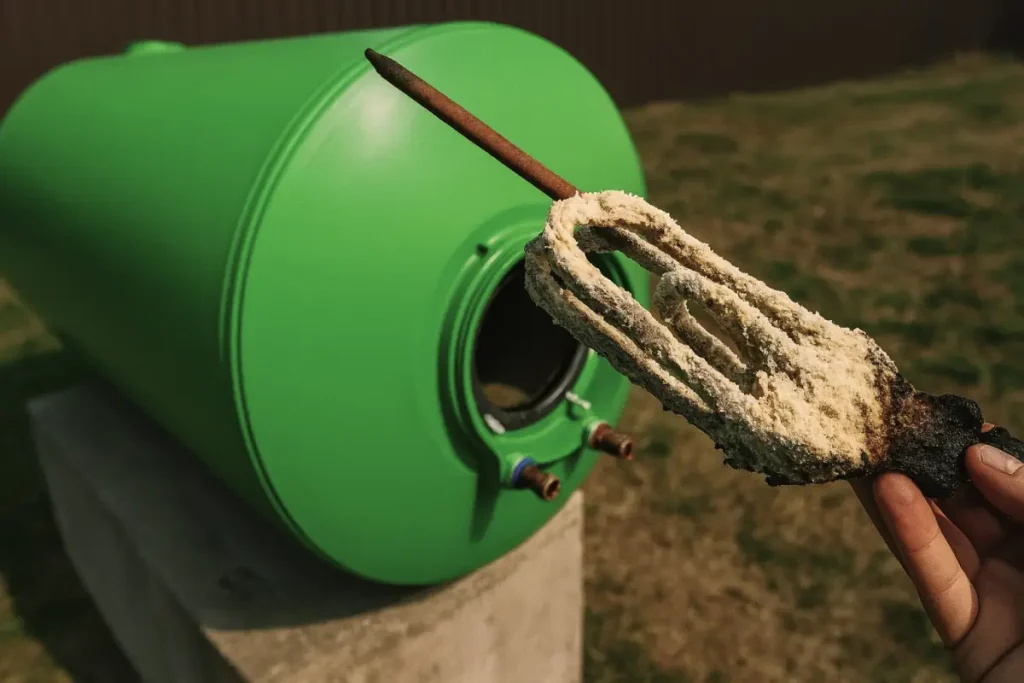
2. Oils & Hydrocarbons: High-Risk Pollutants
Stormwater from roads, car parks, workshops, and industrial zones often carries oils, fuel residues, and hydrocarbons. These contaminants have severe long-term effects on tank materials.
How oils and hydrocarbons damage tanks:
- Accelerated corrosion in steel and HDG tanks: Hydrocarbons break down protective coatings, allowing oxidation to penetrate exposed metal surfaces.
- Degradation of sealants and gaskets: Chemicals in oils cause rubber components to swell, weaken, and fail.
- Floating layers reduce oxygen circulation: Oil films on water surfaces trap anaerobic conditions, producing corrosive gases like hydrogen sulphide.
- Increased fire and safety risks: In systems not designed for flammable pollutants, hydrocarbon buildup can create hazardous environments.
Even low concentrations of hydrocarbons can create long-term structural problems when not properly managed.
3. Chemicals: the Most Aggressive Cause of Structural Deterioration
Stormwater in industrial zones, agricultural areas, and commercial precincts may contain:
- acids
- cleaning agents
- solvents
- detergents
- heavy metals
- pesticides
Chemical pollutants are particularly destructive because even small amounts can chemically react with tank materials.
How chemicals damage stormwater tanks:
- Concrete erosion and spalling: Acidic stormwater dissolves surface layers, exposing reinforcement and accelerating structural decay.
- Liner and coating degradation: Chemical exposure breaks down PVC, HDPE, and epoxy coatings, making them brittle or porous.
- Corrosion of metal components: Chemical reactions strip protective galvanised layers and accelerate rust formation.
- Toxic sludge buildup: Chemical-heavy sediment is harder to remove and requires specialized cleaning.
Chemical exposure is one of the fastest ways to reduce the expected lifespan of both above-ground and underground stormwater tanks.
4. Organic Debris: Clogs, Odours & Biological Degradation
Leaves, litter, branches, plastics, and organic debris enter stormwater systems during every rainfall event. Although debris may seem harmless, long-term accumulation causes major issues.
How debris damages stormwater tanks:
- Obstructs inlets and outlets: Blockages disrupt system flow, leading to backups and overflow events.
- Promotes bacterial and algae growth: Accumulated organic material decays, creating sludge, odours, and accelerated biological deterioration.
- Adds unnecessary weight and uneven pressure: As debris compacts, it increases load stresses on tank floors and walls.
- Traps sediment and pollutants: Debris forms dense layers that hold moisture and contaminants against tank surfaces.
Without regular cleaning, organic debris can compromise the entire stormwater detention system.
5. Combined Impact: why Multiple Pollutants Reduce Tank Lifespan Faster
The most severe structural damage occurs when pollutants interact. For example:
- Sediment traps hydrocarbons and chemicals
- Oils prevent oxygen circulation, worsening corrosion
- Debris holds moisture, accelerating metal deterioration
- Chemical-laden water weakens coatings already damaged by abrasion
These combined effects significantly reduce tank reliability, even in systems that appear well-designed and structurally sound.
To reduce the amount of debris, plastics, and urban waste entering storage systems, facilities often install gross pollutant traps (GPT systems), which capture contaminants before they reach the tank and cause long-term damage.
How to Protect Stormwater Tanks from Poor Water Quality
While pollutants can never be fully eliminated from stormwater, their impact can be dramatically reduced through:
- regular tank inspections
- sediment removal and cleaning
- installing pollutant traps (e.g., GPTs) upstream
- using durable tank liners in high-risk environments
- preventative maintenance schedules
- monitoring for hydrocarbons, chemicals, and pH changes
Proactive stormwater quality management not only extends tank lifespan but also improves overall system efficiency and reduces long-term operational costs.
Conclusion
Poor stormwater quality is one of the leading causes of tank deterioration across Australia. Sediment, hydrocarbons, chemicals, and debris each pose unique threats — but the most serious damage occurs when these pollutants combine and accumulate over time.
By understanding how these contaminants impact stormwater tanks, facilities can implement better maintenance practices, prevent structural failures, and support safer, more sustainable water management systems.
