

Stormwater storage tanks play a critical role in managing runoff, supporting urban drainage systems, and protecting infrastructure from flooding risks. While these systems are designed for long-term performance, their lifespan depends on multiple environmental, structural, and operational factors. Understanding what influences stormwater storage durability helps organizations plan infrastructure more effectively and avoid unexpected performance issues.
Environmental Exposure and Climate Conditions
Stormwater tanks are constantly exposed to changing weather conditions. Rainfall intensity, temperature variation, UV exposure, and humidity all influence how materials age over time. In coastal or industrial environments, additional exposure to salt, pollutants, or airborne chemicals may accelerate surface wear.
Climate variability also plays a role. Increased storm frequency or heavier rainfall events can place additional stress on storage infrastructure. These environmental factors rarely cause immediate damage but gradually affect long-term durability.
Water Quality and Sediment Accumulation
Stormwater runoff often carries sediment, organic debris, oils, and other contaminants. Over time, these materials can influence internal tank conditions and affect how storage systems perform.
Key influences include:
- Sediment buildup that may alter flow dynamics
- Organic material affecting internal surfaces
- Chemical pollutants influencing material stability
- Debris accumulation affecting storage efficiency
Understanding runoff characteristics helps support more resilient infrastructure planning.
Material Selection and Design Considerations
Different tank materials respond differently to environmental exposure and operational conditions. Steel, concrete, composite materials, and lined systems each have unique durability characteristics.
Important design-related factors include:
- Protective coatings and lining quality
- Structural thickness and reinforcement
- Installation conditions and site preparation
- Compatibility with expected water conditions
Thoughtful design choices often contribute significantly to long-term system performance.
Structural Stress and Operational Factors
Stormwater tanks experience natural fluctuations in water levels during rainfall events. Repeated filling and emptying cycles create internal pressure changes that gradually influence structural stability.
Additional operational factors may include:
- Ground movement or settlement
- Surface loading near tank locations
- Nearby construction vibration
- Changes in drainage system flow patterns
These influences are typically gradual but contribute to overall aging over time.
Infrastructure Context and Urban Development
As urban environments evolve, stormwater systems may face new demands. Increased impermeable surfaces, expanded development, and changing drainage requirements can affect storage system performance.
Infrastructure planning increasingly considers long-term adaptability to ensure storage systems remain effective as surrounding environments change.
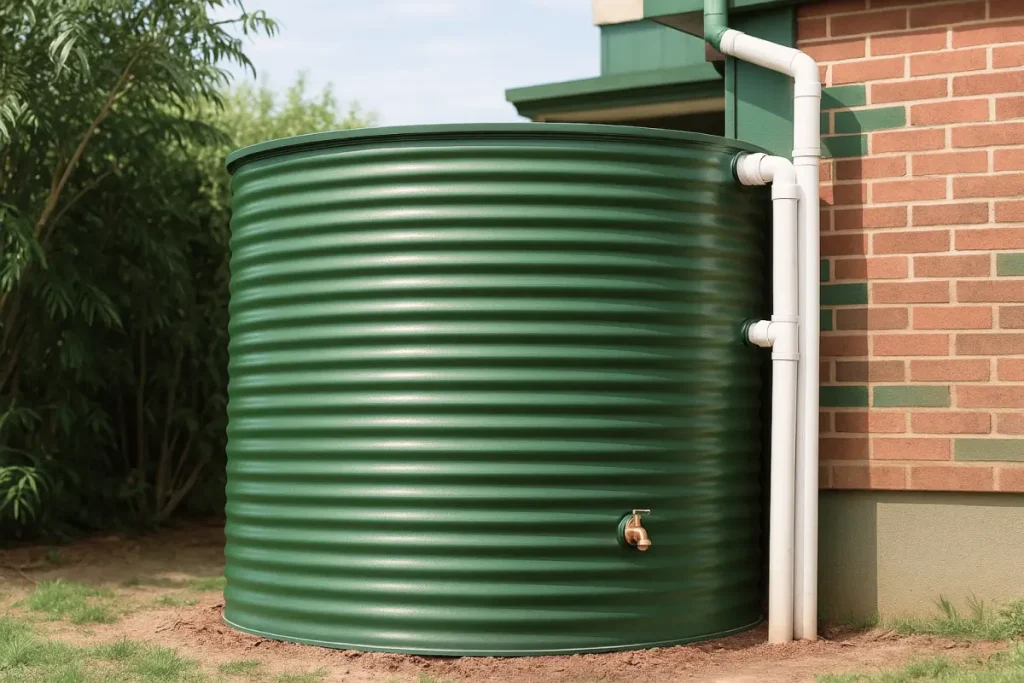
Why Lifespan Awareness Matters
Stormwater storage infrastructure rarely fails suddenly. Most aging occurs progressively due to environmental exposure, operational stress, and material interaction. Recognizing these factors helps organizations:
- Improve long-term infrastructure planning
- Reduce unexpected disruptions
- Support environmental protection goals
- Enhance overall drainage system reliability
A proactive understanding of durability factors supports safer and more resilient water management infrastructure.
Supporting Sustainable Stormwater Infrastructure
As climate conditions evolve and urban development continues, reliable stormwater storage becomes increasingly important. Infrastructure resilience depends not only on design but also on awareness of long-term performance influences.
Understanding factors affecting stormwater storage lifespan helps facilities maintain dependable drainage infrastructure while supporting sustainable urban water management strategies.
