
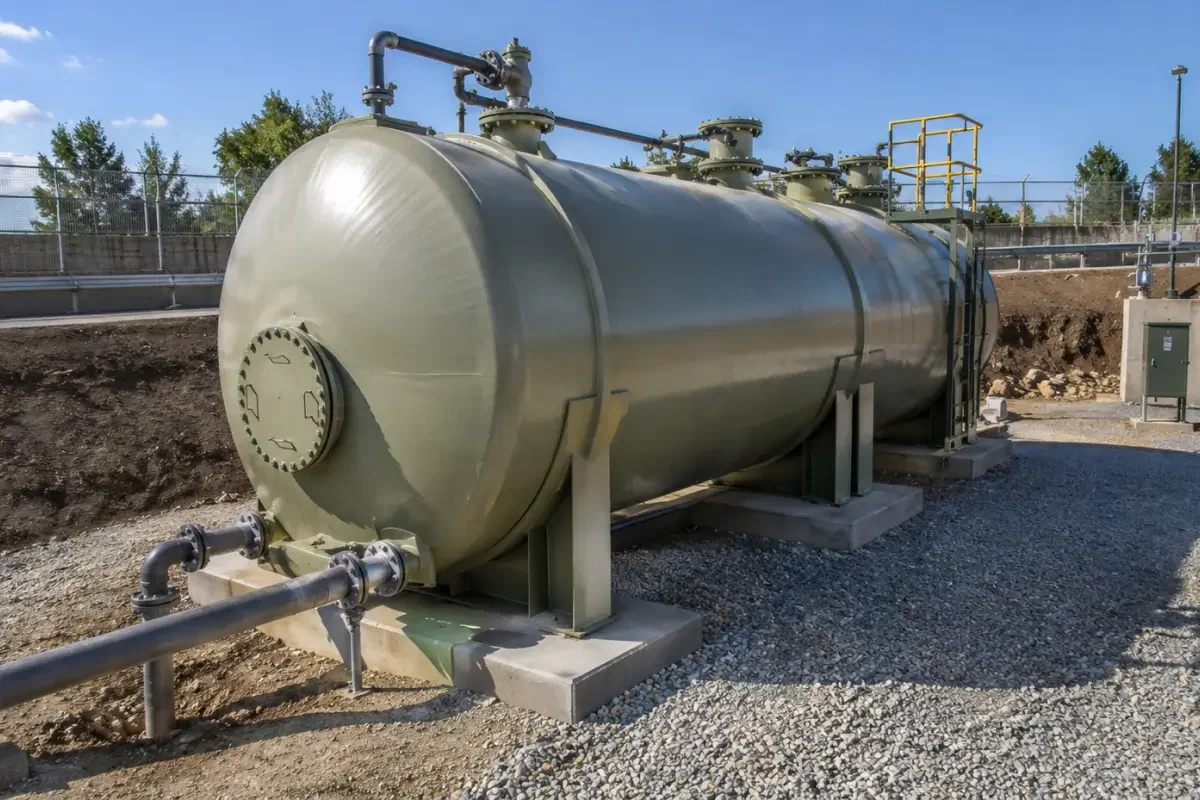
Modern sewer infrastructure operates under constant pressure from population growth, ageing assets, and changing weather conditions. Even well-maintained networks can experience sudden operational failures. These events may interrupt wastewater movement and increase the risk of overflow. Emergency containment infrastructure helps utilities maintain system stability during these periods.
Many municipalities use emergency storage systems to reduce environmental impact and maintain operational continuity. These systems provide temporary containment while crews restore normal sewer operations.
What Causes Sewer Network Failures
Sewer failures occur for many different reasons. Some failures develop slowly over time. Others happen without warning.
Common causes include:
- pump station breakdowns
- pipe blockages
- power outages
- equipment corrosion
- extreme rainfall
- infrastructure ageing
- mechanical malfunction
- accidental damage during construction work
During these events, wastewater flow may exceed available network capacity. Without temporary containment, overflow can occur quickly.
Sewer overflows create operational and environmental challenges. They may affect roads, commercial sites, waterways, and nearby communities. Infrastructure operators therefore require reliable emergency response strategies.
The Operational Role of Emergency Storage Infrastructure
Emergency containment infrastructure provides temporary wastewater storage during network disruption. These systems reduce pressure within affected sewer sections until repairs are completed.
Many councils rely on emergency sewer tanks to maintain temporary containment during infrastructure failures and peak inflow events.
Temporary containment allows operators to isolate damaged infrastructure safely. It also helps maintenance teams complete repairs without immediate overflow risk.
Emergency storage infrastructure supports operational continuity in several ways:
- stabilising sewer flow
- reducing overflow risk
- supporting maintenance shutdowns
- managing temporary surges
- improving response flexibility
In many cases, emergency containment becomes critical during unexpected equipment failure. Sewer networks often require rapid operational decisions. Temporary storage gives utilities additional response time.
How Emergency Containment Helps Prevent Environmental Damage
Wastewater overflow can affect natural ecosystems very quickly. Untreated discharge may enter rivers, drainage channels, or public land.
Emergency containment systems help reduce this risk by providing controlled temporary storage. This allows operators to manage wastewater safely until normal flow conditions return.
Environmental protection remains a major priority for infrastructure operators. Overflow incidents may also create public health concerns and operational disruption.
Containment systems support environmental protection by:
- reducing uncontrolled discharge
- limiting contamination exposure
- supporting safer maintenance activities
- improving incident response coordination
Emergency infrastructure also helps utilities maintain service reliability during high-pressure operational periods.
When Municipalities Deploy Emergency Sewer Storage Solutions
Emergency sewer storage may be required in both planned and unexpected situations.
Planned applications include scheduled maintenance shutdowns and infrastructure upgrades. Operators may temporarily redirect wastewater flow while sections of the network undergo repair.
Unexpected events often require immediate emergency response. These situations may include:
- severe weather
- mechanical failure
- emergency pipeline repair
- sudden inflow increases
- electrical system outages
In growing urban regions, ageing infrastructure may increase operational pressure across sewer networks. Temporary containment provides additional operational flexibility during these periods.
Infrastructure resilience planning often includes emergency wastewater containment as part of broader risk management strategies.
Key Design Considerations for Emergency Sewer Capacity
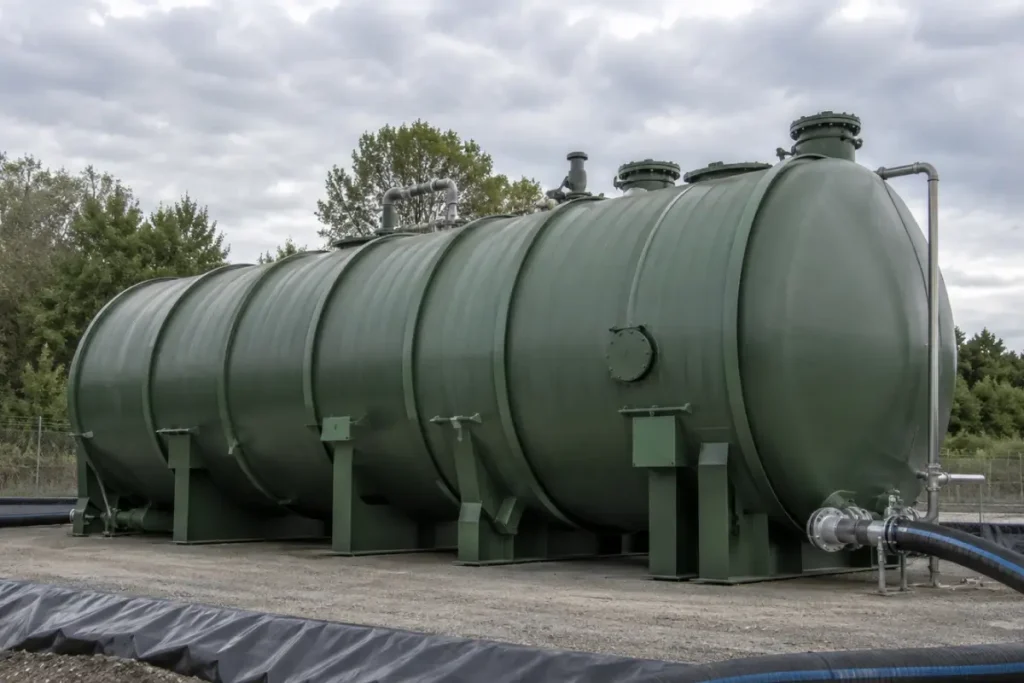
Emergency sewer storage systems must operate reliably under demanding conditions. Capacity planning therefore plays an important role in system performance.
Storage requirements depend on several operational factors, including:
- wastewater flow rates
- expected outage duration
- network configuration
- peak demand conditions
- environmental constraints
System layout also affects containment performance. Storage infrastructure must integrate efficiently with existing sewer assets.
Storage performance often depends on system layout, inflow balancing, and containment configuration. Additional insights can be found in our guide to temporary sewer storage systems.
Operators may also require rapid deployment capability during emergency events. Flexible containment infrastructure can improve response efficiency during time-sensitive incidents.
Integration with Existing Sewer and Stormwater Networks
Emergency containment systems rarely operate as standalone infrastructure. They normally integrate with existing sewer and stormwater assets.
Successful integration supports smoother operational control during emergency events. It also reduces pressure on surrounding infrastructure.
Integration planning may include:
- temporary bypass systems
- inflow diversion points
- monitoring equipment
- transfer pumping arrangements
- overflow protection measures
Infrastructure operators must also consider access requirements during deployment. Emergency response teams often need fast site access during network disruption.
Well-planned containment integration improves operational coordination across maintenance and emergency response teams.
Long-Term Infrastructure Resilience and Emergency Planning
Many wastewater networks now face increasing operational pressure from urban expansion and ageing infrastructure. Emergency preparedness therefore plays a larger role in long-term asset management.
Temporary containment infrastructure supports broader resilience planning strategies. It helps utilities respond more effectively to operational disruption while maintaining environmental protection standards.
Infrastructure resilience planning may involve:
- contingency response planning
- temporary containment capability
- overflow risk reduction
- maintenance coordination
- emergency response preparation
Utilities continue investing in systems that improve operational flexibility during network stress events. Emergency wastewater storage remains an important component within these strategies.
As infrastructure demands continue evolving, emergency containment systems will likely remain essential for wastewater network resilience and operational continuity.
