
Urban infrastructure systems must manage large volumes of wastewater and stormwater every day. During heavy rainfall and peak demand periods, sewer systems may become overloaded.
Without proper overflow management, excess wastewater can create flooding, environmental contamination, and infrastructure damage. This is why many municipalities rely on sewer overflow storage tanks to improve system performance and emergency capacity.
Understanding the benefits of sewer overflow storage tanks helps cities strengthen infrastructure reliability and reduce overflow risks.
What are Sewer Overflow Storage Tanks?
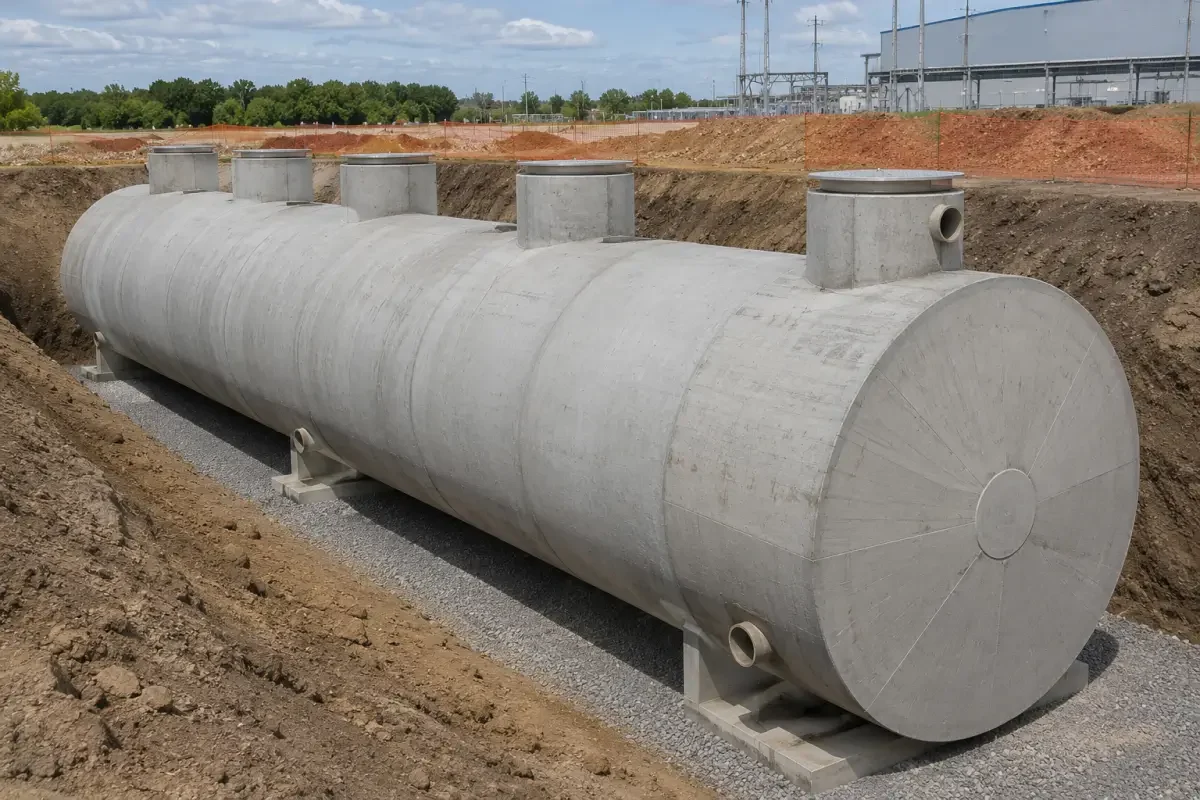
Sewer overflow storage tanks temporarily store excess wastewater during high-flow events. These systems help reduce pressure on sewer networks when stormwater and wastewater volumes exceed normal operating capacity.
Overflow storage tanks support:
- stormwater management
- wastewater control
- flood prevention
- infrastructure protection
Stored wastewater can later return to treatment systems once flow conditions stabilize. This temporary storage process helps prevent uncontrolled sewer discharge into surrounding environments.
Why Urban Infrastructure Needs Overflow Storage
Urban sewer systems experience increasing pressure from:
- population growth
- heavy rainfall
- aging infrastructure
- urban development
Many older sewer systems were not designed to handle modern stormwater volumes. Without overflow storage capacity, sewer systems may overflow during extreme weather events.
Overflow incidents can affect:
- roads
- public spaces
- waterways
- nearby properties
Sewer overflow storage tanks help cities manage these operational challenges more effectively.
Reducing Flood Risks
Flood prevention is one of the biggest benefits of overflow storage systems. Heavy rainfall can rapidly increase sewer flow beyond system capacity. Overflow tanks temporarily hold excess water and reduce immediate drainage pressure.
This process helps protect urban areas from:
- localized flooding
- road closures
- property damage
- drainage system failures
Overflow storage infrastructure improves overall stormwater resilience in densely populated areas.
Protecting Environmental Quality
Untreated sewer overflows can severely impact the environment.
Overflow events may release contaminants into:
- rivers
- lakes
- groundwater systems
- public waterways
Storage tanks help reduce uncontrolled wastewater discharge during peak flow conditions. Environmental protection becomes especially important in regions experiencing frequent storm events and infrastructure stress.
Municipalities focused on wastewater reliability often review how emergency sewer tanks support infrastructure to better understand how emergency storage systems improve operational continuity and environmental protection.
Supporting Wastewater Treatment Systems
Wastewater treatment plants require controlled flow conditions for efficient operation. Sudden flow surges may overwhelm treatment capacity during storms. Overflow storage tanks help balance incoming wastewater volumes and reduce operational strain on treatment facilities.
This controlled flow management improves:
- treatment efficiency
- infrastructure stability
- operational reliability
- maintenance planning
Balanced wastewater flow also reduces equipment stress inside treatment systems.
Improving Infrastructure Reliability
Reliable sewer infrastructure is essential for growing urban areas. Overflow storage tanks help stabilize sewer system performance during periods of high demand.
Additional storage capacity supports:
- emergency flow management
- operational flexibility
- maintenance scheduling
- long-term infrastructure planning
Storage systems also reduce pressure on aging sewer networks. This support helps municipalities extend the lifespan of existing infrastructure components.
Managing Stormwater and Wastewater Together
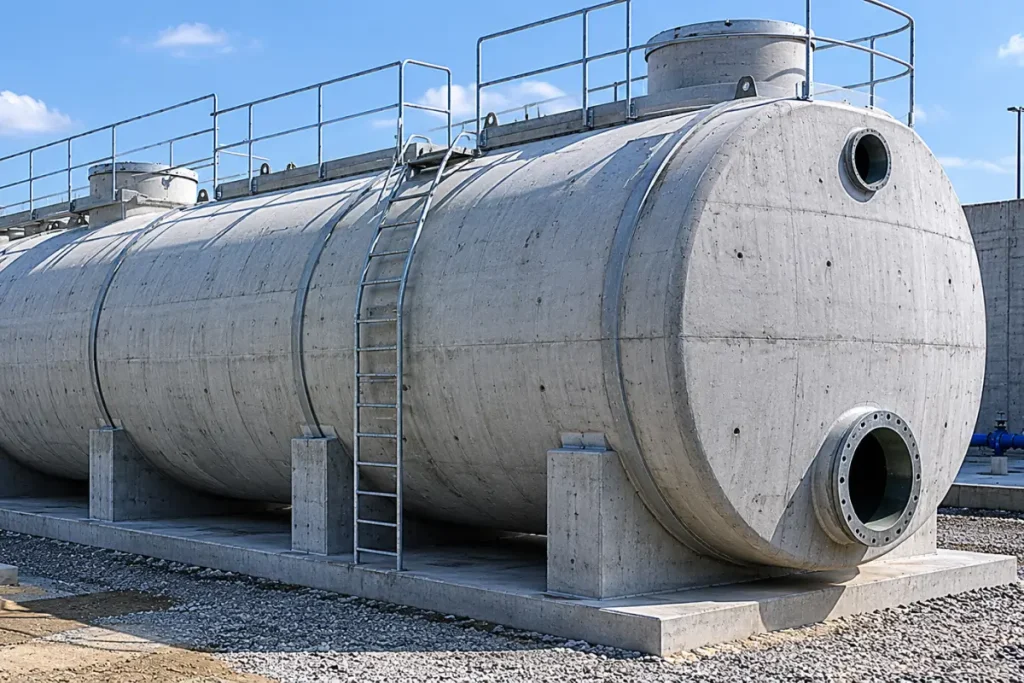
Many urban areas use combined sewer systems that handle both wastewater and stormwater. During heavy rain, these systems may quickly exceed design capacity. Overflow storage tanks help manage excess flow until conditions normalize.
This approach improves overall system efficiency and reduces overflow frequency. Cities experiencing recurring stormwater issues often evaluate common sewer and stormwater pump station problems to identify infrastructure weaknesses affecting long-term drainage performance.
Reducing Emergency Infrastructure Failures
Overflow events may cause severe operational disruptions if sewer systems lack sufficient storage capacity.
High-pressure conditions can increase the risk of:
- pipe failures
- pump overloads
- system backups
- structural damage
Overflow storage tanks help reduce these risks by controlling excess flow during critical periods. Preventive infrastructure planning improves long-term operational stability.
Supporting Urban Expansion
Urban growth places additional stress on sewer infrastructure. New developments increase wastewater generation and stormwater runoff. Overflow storage systems provide scalable infrastructure support for expanding cities.
Additional storage capacity helps municipalities adapt to:
- population increases
- industrial development
- changing rainfall patterns
- future infrastructure demands
Long-term planning improves system sustainability and resilience.
Improving Maintenance Flexibility
Maintenance activities sometimes require temporary flow diversion or system shutdowns. Overflow storage tanks provide additional operational flexibility during infrastructure repairs and upgrades.
Temporary storage capacity helps municipalities maintain service continuity during maintenance projects. Improved flexibility reduces operational disruption and emergency repair risks.
Why Overflow Storage Systems Continue Growing in Importance
Climate variability and urban growth continue increasing pressure on municipal sewer systems. Heavy rainfall events are becoming more frequent in many regions. At the same time, aging infrastructure creates additional operational challenges.
Overflow storage tanks provide practical solutions for managing these growing demands. Cities increasingly invest in storage infrastructure to improve resilience and environmental protection.
Final Thoughts
Sewer overflow storage tanks play a critical role in modern urban infrastructure. These systems help reduce flooding, protect environmental quality, support wastewater treatment, and improve infrastructure reliability during high-flow events.
As cities continue growing and climate pressures increase, overflow storage systems remain essential for sustainable sewer management and long-term infrastructure performance.
