

Stormwater systems are essential for managing runoff and protecting infrastructure. However, their performance depends on regular cleaning.
Without proper cleaning, debris and sediment can accumulate. This reduces system efficiency and increases the risk of flooding.
Solutions like Parthenon OSD are designed for durability, but even advanced systems require consistent cleaning.
What is Stormwater System Cleaning?
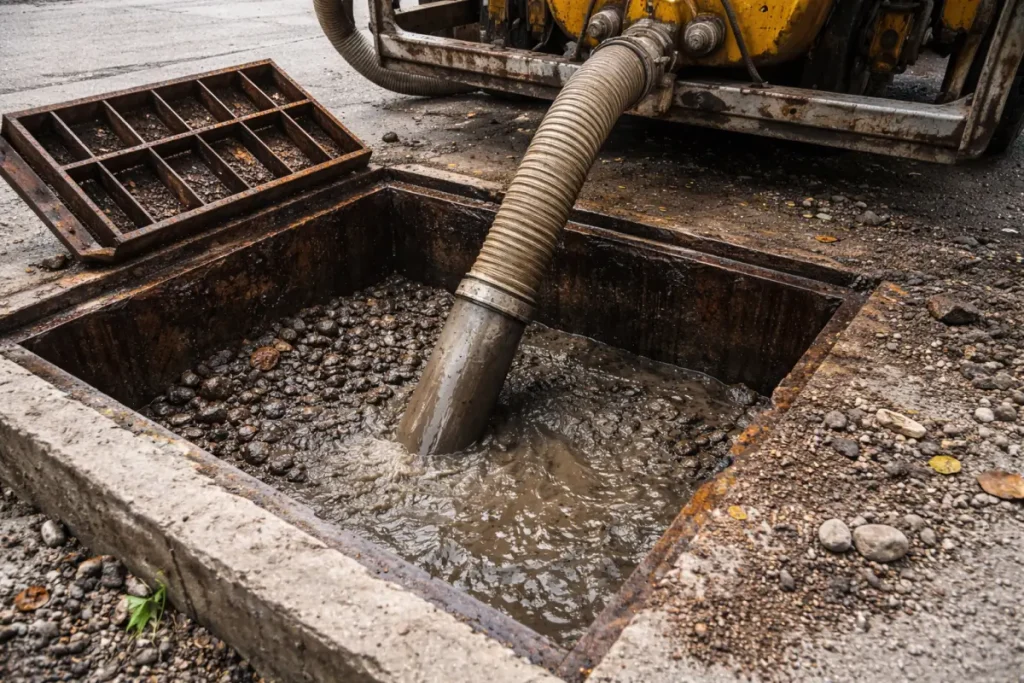
Stormwater system cleaning involves removing debris, sediment, and pollutants from drainage components.
This includes:
- Inlets
- Pipes
- Storage tanks
- Outlets
Cleaning ensures that water can flow freely through the system. If you need a general overview, see what is a stormwater detention system?
Why Cleaning is Essential for Every Property
Stormwater systems collect more than just rainwater. They also capture leaves, dirt, and waste. Over time, this buildup can cause serious issues.
Prevents Blockages
Debris can block inlets and outlets. This restricts water flow and reduces system performance.
Reduces Flood Risk
Blocked systems cannot handle peak rainfall. This increases the risk of flooding during storms.
Protects Infrastructure
Sediment and pollutants can damage internal components. Regular cleaning helps prevent long-term wear.
Supports Compliance
Many local regulations require proper system maintenance and cleaning.
Common Signs Your System Needs Cleaning
Recognizing early signs can help prevent major problems:
- Slow drainage
- Water pooling on surfaces
- Visible debris in inlets
- Unusual odors
These issues indicate that cleaning is required. For a structured inspection approach, see stormwater tank inspection checklist.
How Often Should Stormwater Systems be Cleaned?
Cleaning frequency depends on location and usage.
In general:
- Residential properties: once per year
- Commercial sites: more frequent cleaning
- After major storms: immediate inspection and cleaning
Regular cleaning ensures consistent performance.
Cleaning vs Maintenance: What’s the Difference?
Cleaning and maintenance are related but not identical:
- Cleaning removes debris and buildup
- Maintenance includes inspection, repair, and system care
Both are essential for long-term performance. For detailed maintenance practices, see stormwater detention system maintenance guide.
Benefits of a Cleaning Guide
Having a structured cleaning guide improves consistency.
It helps:
- Standardize cleaning procedures
- Reduce human error
- Ensure all components are checked
- Improve system reliability
A clear guide is especially useful for large or complex systems.
Why Modern Systems Still Require Cleaning
Advanced stormwater systems are designed for efficiency. However, they are not self-cleaning. Even high-performance systems require regular upkeep.
Systems like Parthenon OSD perform best when supported by proper cleaning practices.
Best Practices for Stormwater System Cleaning
Following simple practices can improve results.:
- Clean systems regularly
- Remove debris promptly
- Inspect after heavy rainfall
- Keep access points clear
These steps help maintain system efficiency.
Conclusion
Stormwater system cleaning is essential for every property. It ensures proper water flow and reduces the risk of flooding. Regular cleaning supports system performance and extends lifespan. Understanding the importance of cleaning helps property owners manage stormwater effectively.
Solutions like Parthenon OSD provide reliable performance, but consistent cleaning remains key.
