
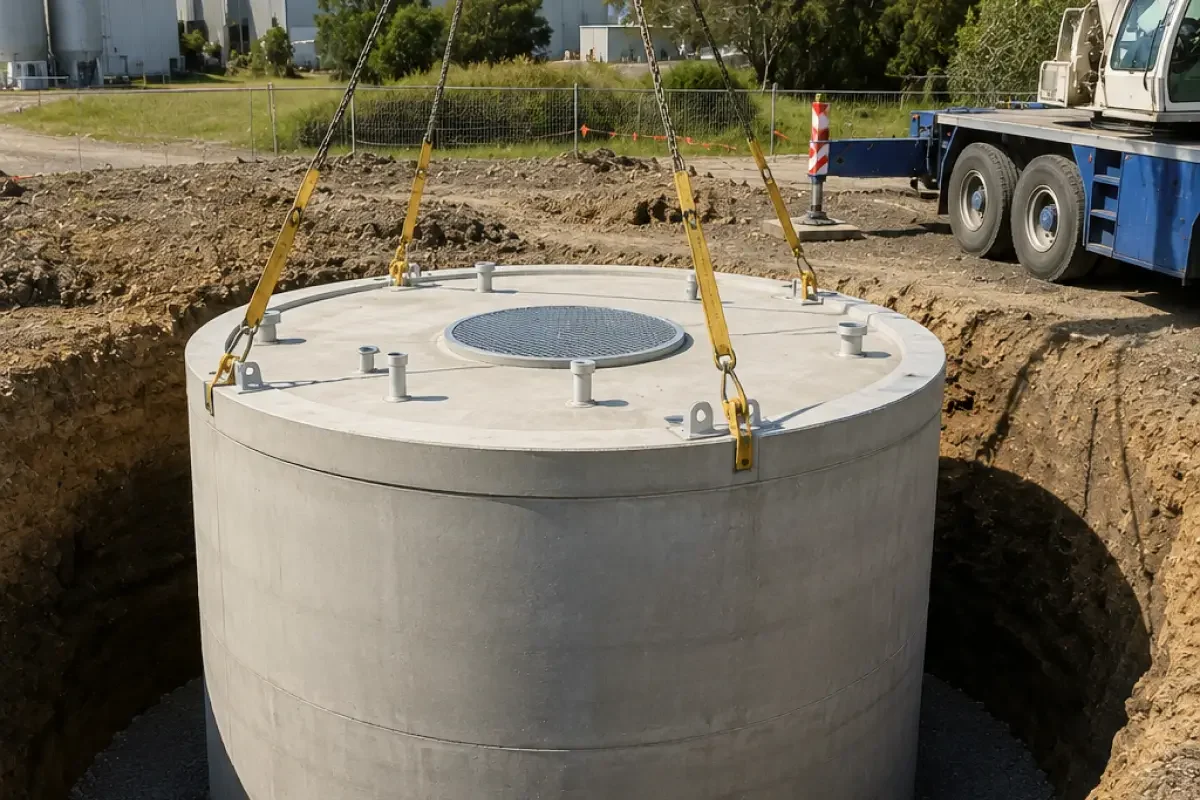
Fuel spill containment systems help reduce environmental and operational risks across industrial sites. However, poor planning and maintenance may reduce containment effectiveness over time.
Many fuel spill problems develop because of avoidable design, inspection or servicing mistakes. Understanding common containment issues can help businesses improve fuel storage safety and long-term system performance.
Why Fuel Spill Containment Mistakes Matter
Fuel spills may affect surrounding land, drainage systems and groundwater. Even small containment failures can create serious environmental and financial problems.
Poorly maintained systems may also increase downtime and repair costs. Containment mistakes often develop slowly and remain unnoticed until larger failures occur.
Many industrial facilities use fuel spill tanks to reduce long-term operational risks.
Choosing the Wrong Tank Size
Undersized containment systems are one of the most common fuel storage problems. Containment capacity should match fuel storage volumes and operational requirements.
Smaller systems may overflow during major spills or heavy rainfall events. Larger industrial facilities often require custom containment configurations. Proper planning helps improve long-term fuel containment reliability.
Many businesses review fuel spill tank requirements before selecting a storage system.
Ignoring Routine Inspections
Regular inspections play an important role in containment performance and environmental protection. Without inspections, small leaks and structural issues may go unnoticed.
Common problems include:
- Corrosion
- Cracks
- Drainage blockages
- Pipe damage
- Leak development
Routine servicing helps reduce operational risks and environmental contamination. Many operators follow a structured fuel spill tank maintenance checklist for ongoing inspections.
Poor Drainage Management
Drainage systems are critical for safe fuel containment. Blocked drainage may increase overflow risks during rainfall events.
Poor drainage planning may also spread contaminated water across industrial sites. Containment systems should always include safe water management strategies.
Incorrect Installation Planning
Improper installation may reduce containment performance and system lifespan.
Common installation mistakes include:
- Poor site preparation
- Incorrect tank positioning
- Limited maintenance access
- Inadequate containment capacity
- Weak drainage planning
Proper installation planning supports safer long-term fuel storage operations. Industrial projects often require custom containment infrastructure for complex site conditions.
Neglecting Maintenance Access
Fuel containment systems should allow safe inspection and servicing access. Restricted access may increase maintenance difficulties and inspection delays.
Above-ground systems usually provide easier servicing access than underground systems. Many businesses compare above-ground vs underground fuel spill tanks during early planning stages.
Good maintenance access supports faster inspections and safer operational management.
Failing to Monitor Underground Systems
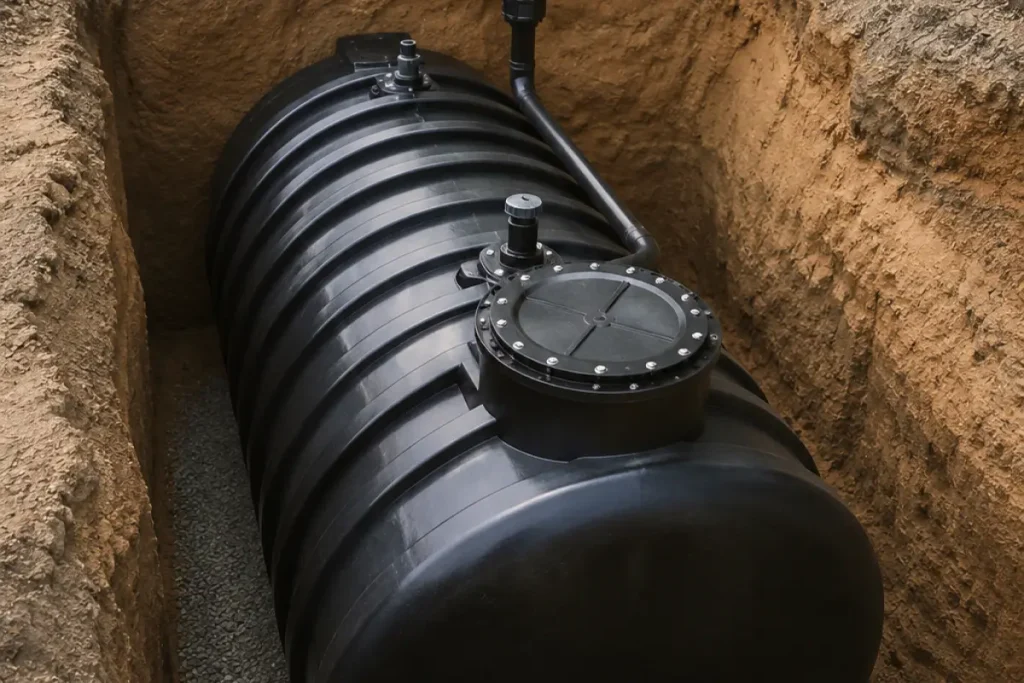
Underground fuel containment systems may require additional leak monitoring. Leaks below ground level are often harder to detect without monitoring infrastructure. Poor monitoring may increase environmental contamination risks over time.
Many underground installations also involve underground fire service tanks and related infrastructure systems. Routine inspections remain important for all underground fuel storage applications.
Overlooking Environmental Risks
Fuel containment systems should support broader environmental protection strategies. Some facilities focus only on fuel storage without considering nearby drainage systems or waterways.
Environmental planning may include:
- Secondary containment
- Spill response procedures
- Leak monitoring
- Drainage controls
- Routine inspections
Many industrial sites also use industrial fuel spill containment systems for higher-risk operating environments.
Not Updating Older Containment Systems
Older fuel containment systems may no longer suit operational requirements. Changes in fuel storage volumes or site infrastructure may increase containment risks.
Older systems may also develop corrosion or structural deterioration. Regular assessments help determine whether upgrades or repairs are required.
Containment infrastructure should evolve alongside operational demands.
Benefits of Proper Fuel Spill Containment Planning
Good containment planning improves both environmental protection and operational safety. Well-designed systems help reduce fuel spill risks and improve long-term reliability.
Benefits of proper planning include:
- Better spill protection
- Improved maintenance access
- Reduced environmental risks
- Lower repair costs
- Safer fuel storage
- Longer system lifespan
Final Thoughts
Many fuel spill containment problems develop because of preventable planning and maintenance mistakes. Routine inspections, proper drainage management and suitable containment sizing help improve long-term system performance.
Industrial facilities should assess containment risks carefully to support safer and more reliable fuel storage practices.
