
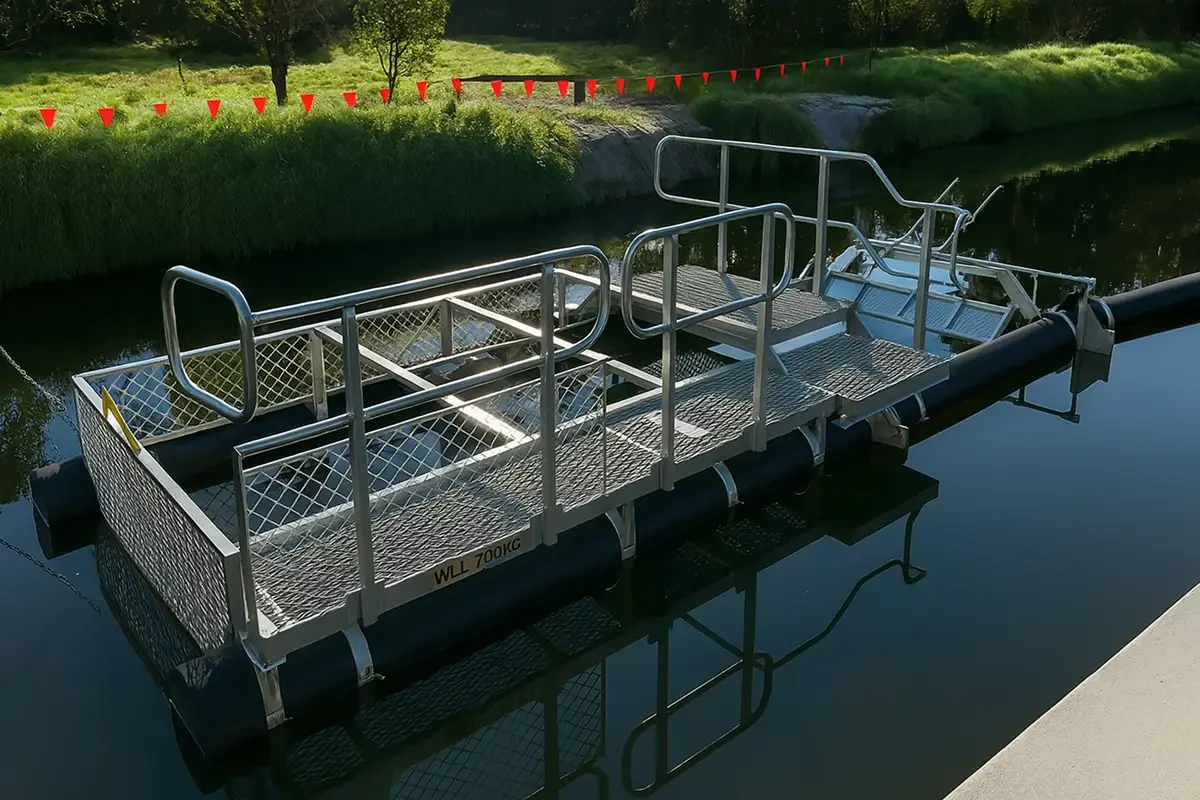
Urban development significantly changes how water moves across landscapes. Instead of soaking into natural ground, rainwater flows over hard surfaces such as roads, rooftops, and pavements. Along the way, it collects various contaminants that are then discharged into nearby waterways. Effective stormwater pollutant management is essential for reducing this impact and protecting rivers, wetlands, and coastal ecosystems.
This article explains how stormwater pollution occurs, what types of pollutants are commonly involved, and why managing them is critical for long-term environmental health.
What is Stormwater Pollution?
Stormwater pollution occurs when rainfall or runoff carries contaminants from urban and industrial areas into drainage systems and natural waterways. Unlike wastewater, stormwater is often untreated before it enters the environment.
As cities expand, the volume and speed of runoff increase. This process accelerates the transport of pollutants and reduces the natural filtering effect of soil and vegetation. Without proper management, stormwater becomes a major source of waterway contamination.
Common Pollutants Found in Stormwater Runoff
Stormwater runoff can contain a wide range of pollutants, depending on land use and surrounding activities. Common contaminants include:
- litter and plastic debris
- sediments and fine particles
- oils, fuels, and hydrocarbons
- organic matter such as leaves and grass
- nutrients from fertilisers
- metals and industrial residues
These pollutants may seem harmless in isolation, but together they create serious environmental challenges.
How Stormwater Pollutants Affect Waterways
When pollutants enter waterways, they can disrupt natural ecosystems and degrade water quality. Sediments reduce water clarity and smother aquatic habitats. Organic debris increases nutrient levels, which may lead to algal blooms and oxygen depletion.
Oils and hydrocarbons pose direct toxicity risks to aquatic life, while plastics and litter persist in the environment for decades. Over time, repeated stormwater pollution events can cause long-term damage to rivers, estuaries, and coastal zones.
Stormwater Pollutant Management Strategies
Stormwater pollutant management focuses on reducing contamination before runoff reaches natural waterways. Effective strategies often combine multiple approaches, including:
- minimising pollutant sources at ground level
- reducing runoff volumes through urban design
- slowing water flow to allow settling of particles
- capturing pollutants before discharge
Rather than relying on a single method, integrated management approaches provide more consistent and reliable outcomes.
Role of Physical Capture Systems in Pollution Control
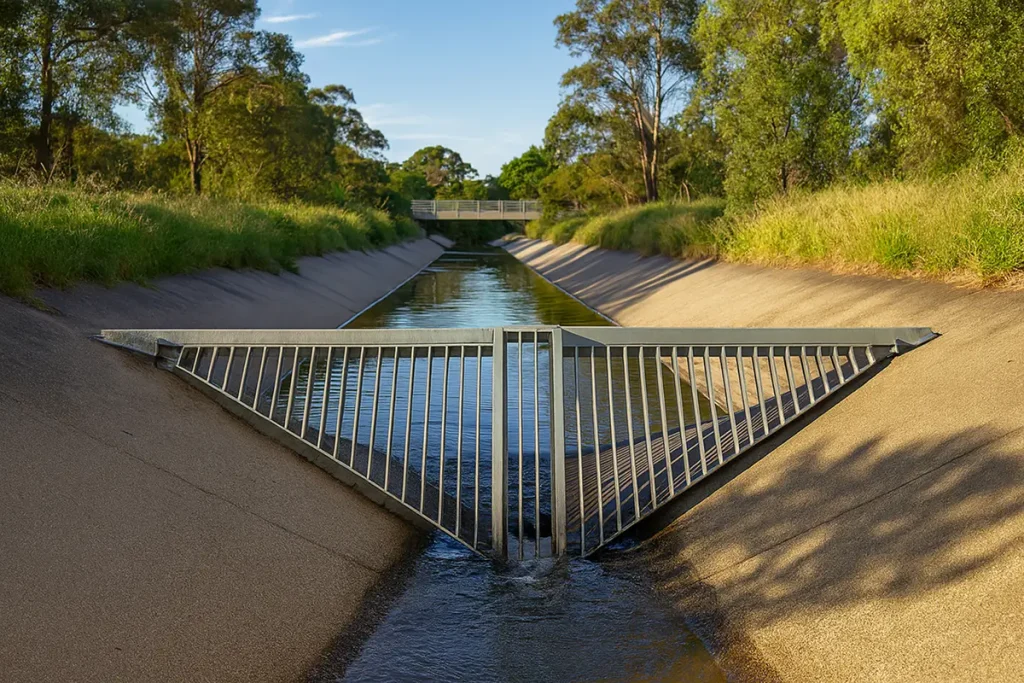
One important aspect of stormwater pollutant management is the use of physical capture systems. These systems are designed to intercept runoff and retain larger pollutants such as litter, sediments, and organic debris.
By removing gross pollutants early in the drainage process, physical capture systems help reduce downstream pollution loads and improve overall stormwater quality. They are commonly used in urban drainage networks, industrial areas, and high-risk runoff zones as part of broader stormwater quality strategies.
In urban drainage networks, stormwater pollutant control solutions play an important role in intercepting large debris and sediments before runoff reaches natural waterways.
Importance of Integrated Stormwater Quality Planning
Managing stormwater pollutants effectively requires long-term planning and coordination. Isolated solutions may provide short-term benefits, but integrated planning ensures consistent protection across entire catchments.
Stormwater quality planning typically considers land use, drainage design, maintenance practices, and environmental objectives. By aligning infrastructure with environmental goals, urban areas can better balance development needs with ecosystem protection.
Key Takeaways for Stormwater Pollution Prevention
- Stormwater runoff is a major source of waterway pollution in urban areas
- Pollutants include litter, sediments, oils, and organic debris
- Unmanaged runoff can damage aquatic ecosystems and water quality
- Stormwater pollutant management reduces contamination before discharge
- Physical capture systems support broader pollution control strategies
Understanding how stormwater pollutants move through urban environments is the first step toward improving waterway health. Well-planned management strategies play a vital role in protecting natural ecosystems and maintaining sustainable urban water systems.
