

Stormwater detention systems often need to fit within sites where available space is limited. This can create challenges for developments requiring substantial stormwater storage without sacrificing valuable usable areas.
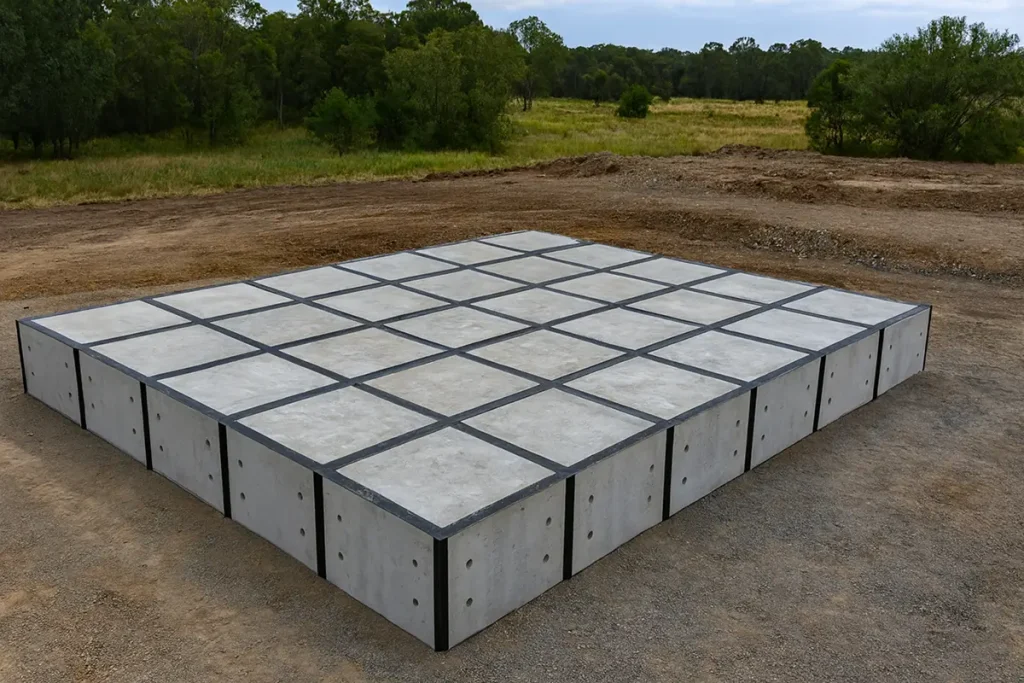
Parthenon OSD systems provide a configurable approach to on-site stormwater detention. They can be incorporated into projects where storage capacity must work alongside specific site and development requirements.
Like other OSD solutions, their purpose is to temporarily store stormwater before controlled discharge. However, system configuration, installation conditions, access, and long-term management remain important considerations.
This article explores Parthenon OSD systems and the factors that can influence their application.
Where Parthenon OSD Fits Within Stormwater Management
Urban development changes how rainfall moves across a site. Roofs, roads, driveways, and other hard surfaces limit natural infiltration. This can increase the volume and speed of stormwater runoff entering drainage infrastructure.
On-site detention helps manage these peak flows. Stormwater is temporarily retained before being released at a controlled rate. A Parthenon OSD system provides the storage component within this wider stormwater management approach.
However, storage alone does not create a complete OSD system. Inlets, outlets, flow controls, drainage infrastructure, and overflow arrangements also contribute to overall performance.
The entire system therefore needs to operate as an integrated stormwater solution. The Parthenon OSD system provides a flexible detention solution that can be configured around site-specific storage and space requirements.
Why OSD System Configuration Matters
Development sites rarely provide unlimited space for stormwater infrastructure. The available area may already need to accommodate buildings, parking, access routes, landscaping, and utilities. An OSD system must fit around these requirements.
This makes configuration an important part of detention planning. The available footprint may be narrow, irregular, or restricted by surrounding structures. Depth can also be limited by underground services or ground conditions.
A configurable detention system can help respond to these constraints. The objective is to provide the required storage volume within the practical limits of the site.
However, physical fit is only one consideration. The system must also integrate with the hydraulic design and remain accessible for future management.
To understand the fundamentals behind OSD systems, explore what is on-site detention.
Parthenon OSD and Space-Constrained Sites
Space is particularly valuable on commercial, industrial, and higher-density developments. Using a large surface area exclusively for stormwater storage may not always be practical. This is one reason detention systems can be integrated into otherwise restricted areas.
The appropriate location depends on the project. Site planning may consider areas around buildings, access zones, landscaped areas, or other available spaces. A Parthenon OSD configuration can be developed around the available footprint.
This flexibility can be useful when conventional tank dimensions do not suit the site. However, available space should not be considered only during installation.
Future access requirements also need to remain practical. A system that fits physically but cannot be maintained easily may create long-term challenges.
How Storage Capacity is Determined
OSD storage capacity is based on stormwater requirements rather than a standard tank size. Different developments generate different volumes and rates of runoff.
Several factors can influence the required detention capacity.
These include:
- total catchment area;
- roof area;
- paved surfaces;
- site characteristics;
- rainfall conditions;
- allowable discharge rates;
- development type;
- downstream drainage conditions;
- local authority requirements.
Hydraulic calculations are generally used to determine the required storage volume. The relationship between incoming stormwater and controlled discharge is particularly important.
During rainfall, water may enter the system faster than it can be released. The detention volume accommodates this temporary difference.
Once rainfall reduces, stored water continues leaving through the controlled outlet. The available storage is then restored for future rainfall events.
Parthenon OSD as Part of a Complete Detention System
The storage structure is only one component of on-site detention. Several elements must work together for effective stormwater management.
Stormwater Inlets
Inlets direct runoff into the detention storage area. Their position depends on the drainage layout and contributing catchments.
They should allow stormwater to enter the system as intended.
Detention Storage
The storage area temporarily retains stormwater during rainfall. Its usable capacity needs to remain available throughout the system’s service life.
Accumulated material can reduce that capacity.
Flow Control
A flow control device regulates discharge from the system. This helps limit the rate at which stored water enters downstream drainage infrastructure.
Outlet
The outlet transfers controlled discharge from the storage system. Its configuration forms part of the overall hydraulic design.
Overflow Arrangements
OSD systems may include provisions for flows exceeding normal detention conditions. These arrangements depend on project design and applicable requirements.
Access Points
Access is important for inspection, cleaning, and maintenance. It should be considered before surrounding construction makes the system difficult to reach.
Learn how detention differs from permanent stormwater storage in stormwater detention vs retention systems.
Applications for Parthenon OSD Systems
OSD systems can support stormwater management across many development types. The suitability of a particular configuration depends on engineering and site requirements.
Potential applications can include:
- commercial developments;
- industrial facilities;
- warehouses;
- residential developments;
- apartment projects;
- retail sites;
- mixed-use developments;
- redevelopment projects.
Each type of development creates different constraints. Industrial sites may have large roof and pavement catchments. Residential developments may have limited available space between buildings and property boundaries.
Commercial sites often need to preserve areas for parking and vehicle access. The OSD configuration should respond to these individual conditions.
New Developments and OSD Planning
New developments provide an opportunity to integrate detention infrastructure early in the design process. This can make coordination with other site elements easier.
Stormwater storage can be considered alongside building footprints, drainage routes, and underground services. Early planning can also help preserve appropriate access. This is particularly important when detention infrastructure occupies areas later surrounded by permanent structures.
The required OSD volume should be established through the project’s stormwater design. The storage system can then be configured around those requirements.
Planning the tank independently from the wider drainage system can create unnecessary limitations. An integrated approach considers storage, discharge, access, and surrounding infrastructure together.
Parthenon OSD for Redevelopment Projects
Redevelopment can create different challenges from new construction. Existing buildings and infrastructure may significantly restrict available space. Drainage connections may already be established.
Underground services can further limit possible storage locations. At the same time, redevelopment can increase impervious surface area or change runoff characteristics. This may create new stormwater management requirements.
A configurable OSD solution can be useful where detention storage must fit around existing infrastructure. However, the existing drainage system should also be considered.
New storage needs to integrate with upstream collection and downstream discharge arrangements. The condition and capacity of existing infrastructure may also influence the final design.
Above-Ground and Below-Ground Considerations
OSD storage can be incorporated into different locations depending on the site. Above-ground systems can offer relatively direct access to external components. They may suit sites where sufficient surface space is available.
Below-ground arrangements can preserve usable areas above the detention system. This can be particularly useful on constrained developments. However, below-ground installations introduce additional considerations.
Structural loads may need to be considered when areas above the system remain in use. Groundwater and surrounding soil conditions may also influence design decisions.
Access for future inspection and maintenance remains necessary. The preferred arrangement therefore depends on more than available storage volume.
Integration with Site Drainage
A Parthenon OSD system must connect effectively with the site’s wider drainage infrastructure. Stormwater needs a suitable pathway into the detention area.
Controlled discharge also needs a suitable downstream connection. The location of pits, pipes, and drainage outlets can influence system configuration.
Changes in level across the site may also affect drainage design. The OSD system should therefore be planned alongside the wider stormwater network. This helps ensure storage is positioned where it can perform its intended function.
It can also reduce conflicts with other infrastructure. Coordination becomes especially important on sites containing numerous underground services.
Sediment and Debris Management
Stormwater can carry more than water into an OSD system. Sediment, leaves, litter, and other material may enter through the drainage network. Some of this material can settle inside the storage area.
Accumulation can gradually reduce usable detention capacity. Debris may also collect near hydraulic components. This can become important around outlets and flow control devices.
The amount of material entering the system depends on site conditions. Construction activity can temporarily increase sediment loads. Landscaping can contribute organic material.
Paved commercial areas may introduce different contaminants and debris. System design and maintenance planning should therefore consider likely incoming material.
Designing for Inspection Access
Access is an important consideration for any long-term stormwater asset. An OSD system may remain operational for decades. Its internal and external condition can change during that period.
Suitable access can support inspection of important areas.
These may include:
- storage areas;
- inlet zones;
- outlet zones;
- flow control components;
- structural components;
- accumulated sediment;
- accessible internal surfaces.
Access can also support cleaning and maintenance. The specific arrangement depends on system design and safety requirements.
Internal access may involve confined space hazards. Appropriate procedures are necessary whenever confined space entry is required.
Considering these needs during design can simplify future asset management.
Maintenance Considerations
OSD systems require ongoing management to preserve their intended function. Maintenance requirements depend on actual site conditions and system configuration. Sediment may need to be removed periodically.
Debris around hydraulic components may also require attention. Other maintenance can involve damaged or deteriorated components.
Regular observations can help identify changing conditions.
Maintenance planning may consider:
- sediment accumulation;
- inlet condition;
- outlet condition;
- flow control condition;
- access points;
- structural deterioration;
- debris accumulation;
- drainage connections.
A fixed maintenance approach may not suit every system. Conditions observed during inspections can help guide future maintenance activities.
Long-Term Storage Capacity
An OSD system needs usable capacity whenever significant rainfall occurs. Nominal capacity describes the volume provided by the original design. Usable capacity can change over time.
Sediment is one possible cause. Material collecting within the system occupies space previously available for stormwater. Standing water can have a similar effect when the system does not drain as intended.
Changes to hydraulic components may also influence how effectively storage becomes available after rainfall. Long-term management should therefore consider actual system condition.
Maintaining capacity is part of maintaining the detention function.
What can Affect Parthenon OSD Performance Over Time?
Several factors can influence an OSD system throughout its operating life. Some originate within the storage structure.
Others develop elsewhere on the site.
Sediment Accumulation
Sediment can reduce usable storage and collect around important components. The rate of accumulation varies between catchments.
Debris
Litter and organic material can enter through stormwater drainage. Debris may interfere with inlets, outlets, or flow controls.
Component Deterioration
Materials and components can change through long-term environmental exposure. The type of deterioration depends on their construction and operating conditions.
Drainage Changes
Changes to upstream or downstream drainage can affect system behaviour. Modified pipework or site levels may alter stormwater pathways.
Development Changes
Additional roofs or paved surfaces can increase runoff entering the system. The original design may have been based on different catchment conditions.
These factors demonstrate why OSD performance should be considered over the complete life of the development.
Changes to a Site After Installation
Properties rarely remain completely unchanged. Buildings may be extended. Car parks can be modified. Landscaped areas may become paved. New structures can also alter drainage patterns.
These changes can influence stormwater runoff. An OSD system designed for the original site conditions may therefore receive different flows after redevelopment.
Access can also be affected. New construction should avoid unintentionally blocking maintenance points or important drainage components.
Stormwater infrastructure should be considered whenever significant site changes are planned. This helps preserve the relationship between the original OSD design and the changing property.
Local OSD Requirements
On-site detention requirements can vary across Australia. Local councils may establish stormwater criteria for developments within their areas. Requirements can influence storage calculations, discharge rates, documentation, and system configuration.
Development type can also affect what is required. For this reason, one standard OSD configuration cannot simply be applied to every Australian project. Site-specific stormwater design remains important.
Applicable requirements should be identified before the storage system is finalised. This also helps avoid selecting a configuration before the required detention capacity is understood.
Parthenon OSD should therefore be considered within the project’s complete engineering and approval context.
Parthenon OSD and Conventional Detention Tanks
Different projects may use different forms of detention storage. A conventional tank can be appropriate where its dimensions fit the available site. Other developments may require a more configurable storage arrangement.
The important question is not whether one format is universally better. The appropriate solution depends on the project.
Relevant considerations can include:
- required storage volume;
- available footprint;
- installation location;
- site levels;
- surrounding structures;
- drainage connections;
- future access;
- maintenance requirements.
Comparing detention options should therefore begin with site constraints and stormwater requirements. The selected system should support the required hydraulic function while remaining practical throughout its service life.
Planning Parthenon OSD for Long-Term Use
Long-term performance begins with appropriate planning. The detention system needs to meet hydraulic requirements when first installed. It should also remain manageable after the development becomes operational.
Planning should consider both immediate and future needs.
Important factors include:
- required detention capacity;
- available installation area;
- system configuration;
- drainage connections;
- flow controls;
- access locations;
- inspection requirements;
- sediment management;
- maintenance access;
- surrounding development.
Considering these factors together can reduce future management difficulties. It also helps integrate detention infrastructure into the wider development.
Parthenon OSD within a Wider Stormwater Strategy
On-site detention is one part of stormwater management. The complete system begins where rainfall enters the site’s drainage network. It continues through collection, storage, controlled discharge, and downstream drainage.
Other stormwater measures may also operate alongside detention. The appropriate combination depends on project objectives and site conditions. A Parthenon OSD system provides detention storage within this wider arrangement.
Its effectiveness therefore depends partly on the infrastructure connected to it. Storage capacity alone cannot compensate for poorly planned drainage or unsuitable discharge arrangements.
A whole-system approach provides a better basis for long-term stormwater management.
Conclusion
Parthenon OSD systems provide a configurable approach to on-site stormwater detention. They can support projects where detention storage needs to work within specific site constraints. However, selecting an OSD system involves more than providing sufficient tank volume.
Site layout, hydraulic design, drainage connections, access, sediment, and maintenance all require consideration. The required configuration will differ between projects.
Local requirements and site-specific engineering also influence the final design. Planning for inspection and maintenance from the beginning can support better long-term asset management.
Ultimately, Parthenon OSD should operate as one integrated component of the site’s wider stormwater management system.
