
Heavy rainfall can place enormous pressure on urban sewer infrastructure. When wastewater networks exceed their hydraulic capacity, sewer overflows may occur. These incidents can disrupt essential services, damage property, and create environmental and public health risks.
Many sewer networks are designed to transport wastewater from residential, commercial, and industrial properties. However, unexpected stormwater entering these networks can significantly increase their operating loads. This problem is particularly relevant in urban areas with ageing infrastructure, extensive paved surfaces, and growing populations.
During intense rainfall, additional water may enter sewer pipes through damaged connections, leaking maintenance holes, or underground infiltration.
The resulting increase in flow can overwhelm pipes, pumping stations, and downstream treatment facilities. Understanding why sewer systems overflow is essential for improving infrastructure resilience. This guide explores common overflow causes, the role of inflow and infiltration, and practical prevention strategies.
It also explains how emergency sewer storage tanks support wastewater management during peak-flow events.
What is a Sewer Overflow?
A sewer overflow occurs when wastewater escapes from a sewer system instead of reaching its intended destination. This may happen when pipes, pumping stations, or treatment facilities cannot manage incoming flows.
Overflows can occur through maintenance holes, emergency relief structures, or other discharge points. The consequences depend on the wastewater composition, discharge location, and duration of the incident.
Common Types of Sewer Overflows
Sewer overflows can occur under different operating conditions.
Sanitary sewer overflows (SSOs) involve wastewater escaping from systems intended to transport sewage separately from stormwater. Common causes include blockages, equipment failures, and excessive wet-weather flows.
Combined sewer overflows (CSOs) occur in networks designed to transport both sewage and stormwater. During intense rainfall, combined systems may exceed their available capacity.
Combined sewer systems are less typical of modern Australian sewer infrastructure than separate drainage arrangements. However, historical network configurations and local infrastructure conditions can vary.
Emergency sewer overflows may occur at designated relief points during exceptional hydraulic or operational conditions. These structures are intended to manage specific system risks.
They do not eliminate the environmental consequences of wastewater releases.
Sewer Overflow vs Stormwater Overflow
Sewer and stormwater systems serve different purposes. A sewer system primarily transports wastewater from properties to treatment facilities. A stormwater system manages rainfall runoff from roofs, roads, and other surfaces.
Stormwater overflows may involve excess runoff exceeding drainage capacity. Sewer overflows can contain untreated wastewater, creating additional health and environmental concerns.
Understanding this distinction is important when planning infrastructure improvements.
Why do Sewer Systems Overflow During Heavy Rainfall?
Heavy rainfall can increase wastewater network flows beyond normal operating conditions. This increase often results from unwanted stormwater entering sewer infrastructure.
Several factors can contribute to sewer overflows during wet weather.
1. Inflow and Infiltration
Inflow and infiltration are major contributors to excessive wet-weather sewer flows. Both introduce additional water into wastewater networks. However, they occur through different pathways.
Inflow describes stormwater entering sewer systems through relatively direct connections.
Potential sources include:
-
Incorrectly connected roof downpipes.
-
Surface drainage connected to sewer infrastructure.
-
Defective maintenance hole covers.
-
Unauthorised stormwater connections.
-
Flooded sewer access structures.
Infiltration describes groundwater entering sewer infrastructure through defects.
Potential pathways include:
-
Cracked sewer pipes.
-
Deteriorated pipe joints.
-
Damaged maintenance holes.
-
Defective connections.
-
Ageing underground infrastructure.
During prolonged rainfall, groundwater levels may rise around sewer pipes. This can increase infiltration through existing defects.
Both processes reduce the network’s available capacity for wastewater.
2. Insufficient Sewer Pipe Capacity
Sewer pipes are designed to transport flows within defined hydraulic limits. When incoming flows exceed these limits, wastewater levels can rise. Excessive flow may cause surcharge conditions within the network.
Surcharging occurs when wastewater fills pipes and rises above their normal hydraulic operating levels. Under severe conditions, wastewater may escape through vulnerable points.
Capacity problems may result from:
-
Population growth.
-
Increased wastewater generation.
-
Additional development connections.
-
Historical design limitations.
-
Excessive inflow and infiltration.
-
Changes in network operating conditions.
Infrastructure designed decades earlier may face different demand patterns today. However, pipe age alone does not determine hydraulic performance.
3. Sewer Pump Station Overloading
Sewer pumping stations transport wastewater where gravity drainage is insufficient. They play an essential role in maintaining flow through many wastewater networks. During heavy rainfall, excessive inflow can increase pumping demand.
If incoming flows exceed available pumping capacity, wastewater levels may rise.
Potential contributing factors include:
-
Insufficient pump capacity.
-
Pump mechanical failures.
-
Electrical faults.
-
Blocked pump intakes.
-
Control system problems.
-
Limited emergency storage.
-
Downstream hydraulic restrictions.
Pump station performance depends on the entire connected system. Increasing pumping capacity alone may not solve downstream network limitations.
Understanding common sewer and stormwater pump station problems helps operators identify failures before they disrupt wastewater transport.
4. Sewer Blockages
Blockages can restrict wastewater movement and reduce effective pipe capacity.
Common blockage materials include:
-
Fats, oils, and grease.
-
Wet wipes and unsuitable hygiene products.
-
Tree roots.
-
Sediment.
-
Foreign objects.
-
Accumulated debris.
During heavy rainfall, increased flow can worsen the consequences of existing restrictions. A partially blocked pipe may operate during normal conditions but surcharge during peak flows.
Routine maintenance helps identify these risks before severe incidents occur.
5. Ageing and Damaged Infrastructure
Sewer infrastructure can deteriorate because of environmental conditions, loading, and material degradation. Older networks may contain defects that allow groundwater infiltration.
Structural damage can also reduce hydraulic performance.
Examples include:
-
Cracked pipes.
-
Displaced joints.
-
Collapsed pipe sections.
-
Deteriorated maintenance holes.
-
Corroded components.
-
Defective service connections.
Not every older sewer requires replacement. Condition assessments help determine whether rehabilitation, maintenance, or capacity upgrades are appropriate.
6. Downstream Treatment and Network Constraints
A sewer network operates as a connected hydraulic system. Even when upstream pipes have sufficient capacity, downstream restrictions can cause surcharging.
Potential constraints include:
-
Limited treatment plant inlet capacity.
-
Hydraulic restrictions at junctions.
-
Pumping station limitations.
-
Flow control structures.
-
High downstream wastewater levels.
These restrictions may influence large sections of a network. Effective overflow prevention therefore requires system-wide analysis.
How Inflow and Infiltration Affect Sewer System Capacity
Inflow and infiltration are particularly important during prolonged or intense rainfall. They introduce water that wastewater systems were not necessarily designed to carry.
This additional flow can increase operational costs and reduce available hydraulic capacity.
How Inflow Affects Sewer Networks
Inflow often produces relatively rapid increases in wastewater flow. For example, a stormwater connection may direct roof runoff into a sewer during rainfall.
The resulting flow increase can occur shortly after a storm begins. Multiple incorrect connections can create substantial cumulative impacts.
This additional water may contribute to sewer surcharging and pump station overloading.
How Infiltration Affects Sewer Networks
Infiltration is often influenced by groundwater conditions. Rainfall can raise groundwater levels around underground sewer pipes.
Water may then enter through cracks, joints, or damaged structures. Infiltration may continue after rainfall has stopped.
This can extend the period of increased wastewater flow.
Why Excess Water Creates Operational Problems
Excessive inflow and infiltration can affect wastewater systems in several ways.
| Infrastructure component | Potential impact |
|---|---|
| Sewer pipes | Increased hydraulic loading and surcharge |
| Pumping stations | Longer operating periods and higher pumping demand |
| Treatment facilities | Increased hydraulic throughput |
| Emergency storage | Reduced available capacity during prolonged events |
| Network maintenance | Greater difficulty identifying hydraulic constraints |
Reducing inflow and infiltration can improve the performance of existing wastewater infrastructure. However, the effectiveness of remediation depends on identifying the actual entry pathways.
What Happens when a Sewer System Reaches Maximum Capacity?
Sewer networks do not always overflow immediately when flows increase. The hydraulic response depends on pipe gradients, network storage, pumping capacity, and downstream conditions.
Stage 1: Wastewater Flow Increases
Rainfall-related inflow and infiltration increase the volume entering the sewer network. Pipes may begin operating closer to their hydraulic capacity.
Stage 2: Sewer Levels Rise
As incoming flows approach or exceed available capacity, wastewater levels may rise. Some pipe sections may become surcharged.
Stage 3: Pumping and Storage Systems Experience Higher Demand
Pump stations may operate more frequently or continuously. Available wet-well and emergency storage capacity may begin decreasing.
The system’s response depends on installed equipment and control arrangements.
Stage 4: Overflow Risks Increase
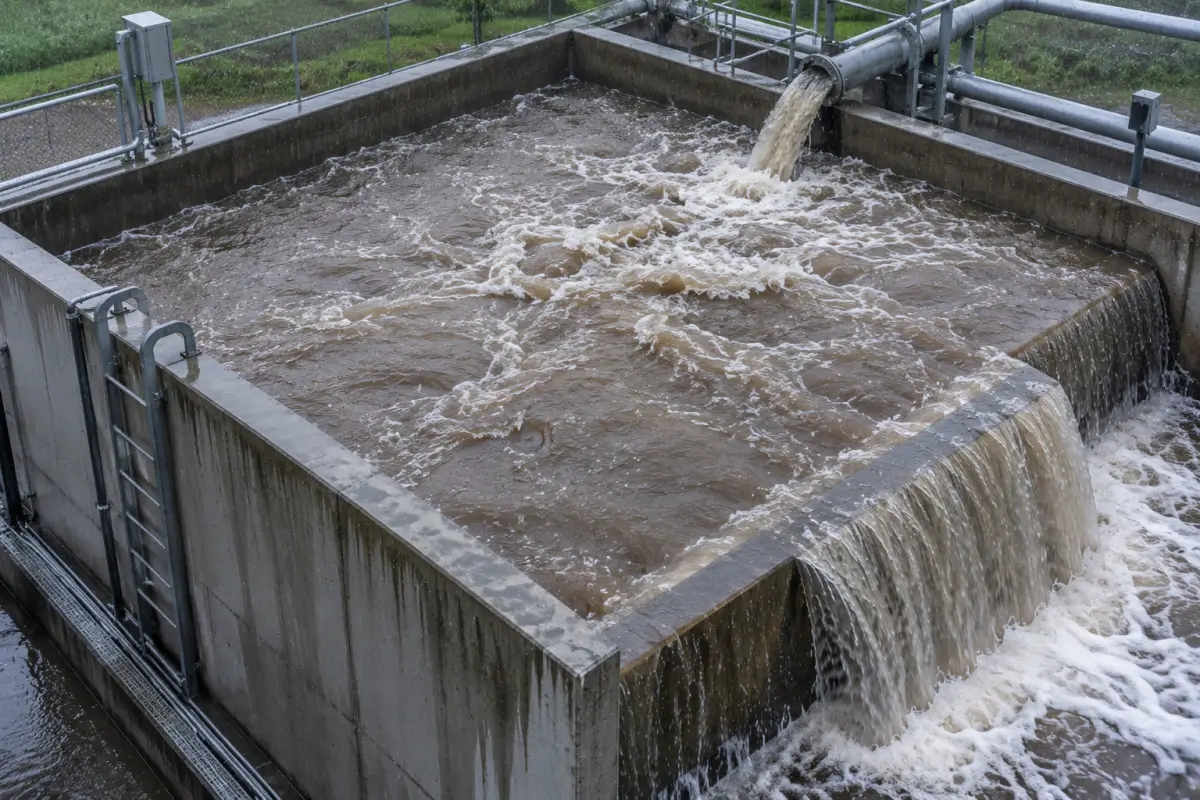
If incoming flows continue exceeding system capacity, wastewater may escape through vulnerable or designated locations. This can create environmental contamination and public health risks.
The sequence varies between sewer networks. Some incidents result from localised blockages rather than system-wide hydraulic overloading.
Environmental and Public Health Risks of Sewer Overflows
Untreated wastewater may contain microorganisms, nutrients, organic matter, and other contaminants. The consequences of an overflow depend on the discharge volume and receiving environment.
Surface Water Contamination
Sewer overflows can introduce pollutants into creeks, rivers, wetlands, and other waterways.
Potential impacts include:
-
Increased microbial contamination.
-
Elevated nutrient concentrations.
-
Reduced water quality.
-
Increased organic loading.
-
Harm to sensitive aquatic environments.
Environmental impacts depend on the receiving water and exposure conditions.
Public Health Concerns
Untreated sewage may contain disease-causing microorganisms. Exposure can create health risks for people entering contaminated areas.
Affected locations may require restricted access, cleaning, or public health advice. Appropriate response procedures are essential.
Property and Infrastructure Damage
Sewer overflows can affect roads, buildings, public spaces, and underground infrastructure. Cleanup may require specialist equipment and wastewater management procedures.
Repeated incidents can also disrupt normal facility operations.
Environmental Compliance Risks
Wastewater utilities and relevant operators must manage their obligations under applicable environmental requirements. Reporting and response requirements vary across Australian jurisdictions.
Preventing foreseeable overflows is an important part of responsible wastewater infrastructure management.
How Emergency Sewer Storage Tanks Help Prevent Overflows
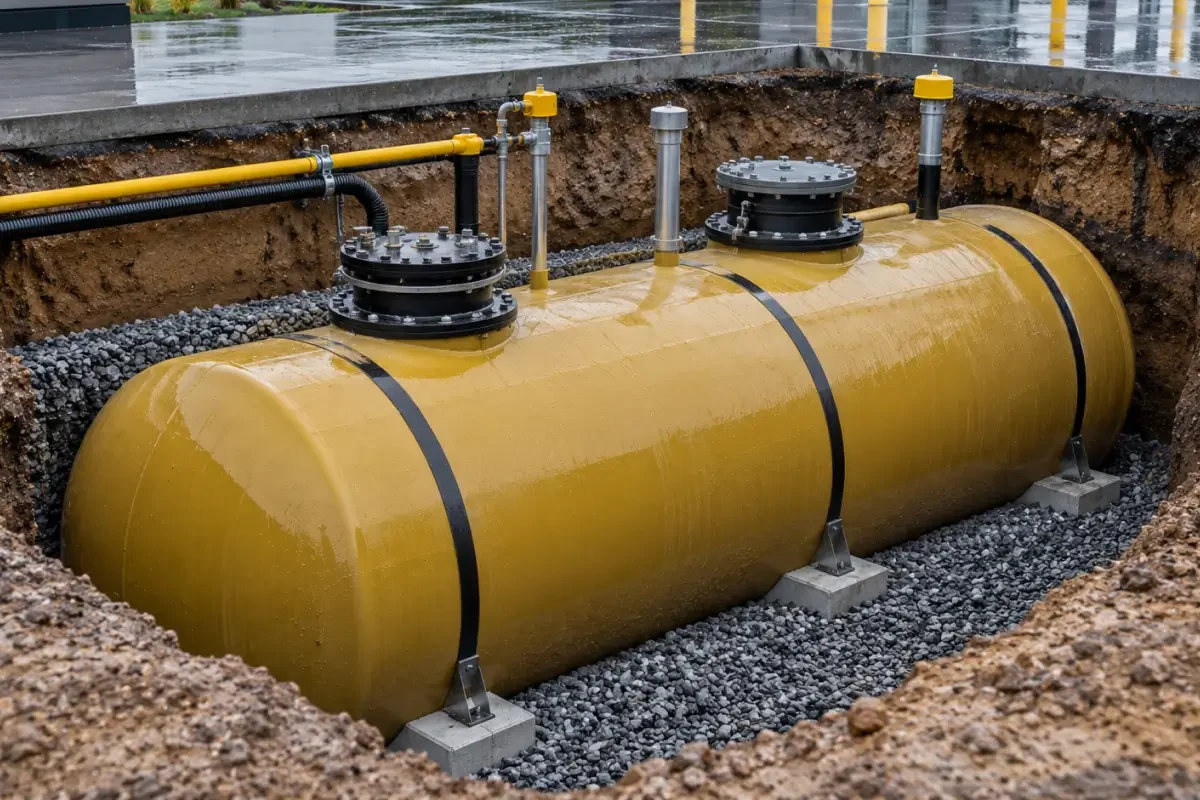
Emergency sewer storage tanks provide temporary wastewater storage when normal network capacity becomes constrained. They can support sewer systems during selected hydraulic or operational events.
These tanks are not intended to replace adequate network capacity or maintenance. Instead, they provide additional operational flexibility within an engineered wastewater management system.
Temporary Storage During Peak Flows
During heavy rainfall, wastewater inflows may temporarily exceed downstream transfer capacity. Emergency storage can retain a portion of these excess flows.
Stored wastewater may later return to the network when conditions allow. This can help reduce immediate pressure on downstream infrastructure.
The effectiveness depends on available storage volume and the wider hydraulic system.
Learn how sewer overflow storage tanks support wastewater infrastructure and help manage temporary capacity limitations.
Supporting Pump Station Operations
Some wastewater pumping facilities incorporate emergency storage arrangements. These systems can provide additional capacity during selected operating conditions.
Potential scenarios include:
-
Temporary pump outages.
-
Power supply interruptions.
-
Exceptional inflow events.
-
Maintenance-related restrictions.
-
Short-term downstream capacity limitations.
However, storage capacity is finite. Prolonged disruptions can still create overflow risks.
Explore how emergency sewer tanks during network failures can provide temporary storage when normal wastewater transport is disrupted.
Reducing Uncontrolled Wastewater Releases
Appropriately designed storage systems can help reduce the likelihood or frequency of selected overflow events.
Their performance depends on several factors:
-
Available storage capacity.
-
Incoming wastewater flow.
-
Duration of the event.
-
Pumping system performance.
-
Discharge arrangements.
-
Control system configuration.
A hydraulic assessment is generally necessary to determine suitable storage requirements.
Purpose-designed emergency sewer storage tanks can help retain excess wastewater during selected network emergencies.
Emergency Storage vs Conventional Sewer Infrastructure
Emergency storage performs a different function from sewer pipes and pumping stations.
| Infrastructure | Primary function |
|---|---|
| Gravity sewer pipes | Transport wastewater using gravity |
| Sewer pumping stations | Move wastewater where gravity flow is insufficient |
| Emergency sewer storage tanks | Temporarily retain wastewater during selected events |
| Wastewater treatment facilities | Treat collected wastewater |
| Stormwater detention tanks | Temporarily store and regulate stormwater runoff |
These components may operate together within broader infrastructure networks. However, wastewater storage and stormwater detention should not be treated as interchangeable applications.
Purpose-designed Emergency Sewer Storage Tanks can support infrastructure resilience where temporary wastewater retention is required.
Emergency Sewer Storage Tank Design Considerations
Emergency wastewater storage requires careful engineering assessment. Tank selection should reflect hydraulic, operational, structural, and environmental requirements.
Storage Capacity
Required storage volume depends on the intended operating scenario.
Important factors include:
-
Expected incoming wastewater flow.
-
Available downstream capacity.
-
Required storage duration.
-
Pumping system recovery time.
-
Relevant design criteria.
-
Operational safety margins.
There is no universal storage volume suitable for every sewer system. A project-specific hydraulic assessment is necessary.
Tank Material Compatibility
Wastewater can contain substances that affect tank materials and internal components. Material selection should consider the expected wastewater composition and operating environment.
Relevant factors may include corrosion resistance, structural performance, and maintenance access.
Odour and Gas Management
Wastewater storage can create odour and gas management challenges. Hydrogen sulphide and other hazardous atmospheres may develop under certain conditions.
Design considerations may include ventilation, access arrangements, and suitable monitoring systems. Entry into wastewater storage structures requires appropriate confined-space safety controls.
Access for Inspection and Maintenance
Storage systems require provisions for inspection, cleaning, and maintenance. Suitable access arrangements support long-term operational reliability.
Maintenance requirements depend on tank configuration and operating conditions.
Integration With Existing Infrastructure
Emergency storage must operate effectively with connected pipes, pumps, and control systems. Poor integration can limit its effectiveness.
Designers should consider hydraulic levels, discharge arrangements, and operational controls.
How to Prevent Sewer Overflows During Heavy Rainfall
Reducing sewer overflow risks requires a combination of maintenance, rehabilitation, hydraulic assessment, and infrastructure planning. No single solution addresses every overflow cause.
Identify Inflow and Infiltration Sources
Investigating unwanted water entry is often an important first step.
Assessment methods may include:
-
CCTV sewer inspections.
-
Smoke testing.
-
Flow monitoring.
-
Maintenance hole inspections.
-
Connection surveys.
-
Groundwater investigations.
The appropriate methods depend on the network and suspected defects. Findings can help prioritise rehabilitation work.
Repair Damaged Sewer Infrastructure
Pipe rehabilitation can reduce leakage pathways and restore structural performance.
Possible measures include:
-
Pipe relining.
-
Joint repairs.
-
Maintenance hole rehabilitation.
-
Service connection repairs.
-
Replacement of severely damaged sections.
The selected approach should reflect pipe condition and hydraulic requirements.
Maintain Sewer Pumping Stations
Routine maintenance helps reduce avoidable equipment failures.
Important activities may include:
-
Pump inspections.
-
Electrical system checks.
-
Control system testing.
-
Wet-well cleaning.
-
Alarm verification.
-
Backup power assessments.
Maintenance should follow relevant manufacturer guidance and operating procedures.
Manage Blockage Risks
Blockage prevention can help maintain available sewer capacity. Utilities may use targeted cleaning, inspections, and public education programmes.
Industrial and commercial facilities should also manage unsuitable wastewater discharges.
Assess Hydraulic Capacity
Hydraulic modelling can identify network constraints and evaluate potential improvements. This analysis may consider existing flows, future development, and wet-weather scenarios.
It can help determine whether upgrades or additional storage are necessary.
Provide Suitable Emergency Storage
Emergency storage may help manage selected peak-flow or equipment failure scenarios. However, storage should be sized and integrated through appropriate engineering design.
Additional capacity should complement broader overflow prevention strategies.
How Climate and Urban Development Affect Sewer Overflow Risks
Urban wastewater systems face changing demands. Population growth, development patterns, and rainfall conditions can influence long-term infrastructure performance.
Population Growth
Additional residential and commercial development can increase wastewater generation. This may place greater demand on existing sewer infrastructure.
Capacity planning should consider expected future loads.
Changing Rainfall Patterns
Heavy rainfall can increase unwanted stormwater entry into sewer systems. Climate projections may influence infrastructure planning assumptions.
However, local rainfall trends and future conditions vary. Design decisions should use appropriate regional data and relevant guidance.
Urban Infrastructure Changes
Development can alter drainage conditions and groundwater behaviour. Poorly managed connections may also introduce additional stormwater into sewer networks.
Coordinated planning helps reduce these risks.
Ageing Assets
Sewer infrastructure requires ongoing condition assessment and renewal. Asset management programmes can identify deterioration before significant failures occur.
Prioritising high-risk assets supports long-term network resilience.
Environmental Protection Obligations
Wastewater operators may be subject to environmental licences, statutory duties, and incident reporting requirements. These obligations can address pollution prevention, monitoring, and incident management.
Specific requirements should be verified with the relevant regulator.
Water Utility Design Standards
Water utilities commonly apply technical specifications and engineering standards to wastewater infrastructure. These requirements may address hydraulic performance, pumping arrangements, storage, and operational reliability.
Relevant guidance may include Water Services Association of Australia documentation and utility-specific requirements. The applicable documents depend on the project.
Maintenance and Asset Management
Regular inspections and documented maintenance support infrastructure reliability. Records can help identify recurring overflow causes and prioritise corrective work.
Useful information includes:
-
Overflow incident records.
-
Flow monitoring results.
-
Pump station operating data.
-
Sewer inspection findings.
-
Maintenance activities.
-
Infrastructure rehabilitation history.
A structured asset management approach supports informed investment decisions.
Conclusion
Heavy rainfall can expose weaknesses in wastewater infrastructure and increase sewer overflow risks. Inflow and infiltration are important contributors to excessive wet-weather flows. Other causes include insufficient pipe capacity, pumping station failures, blockages, and downstream hydraulic restrictions.
These problems can affect environmental quality, public health, and infrastructure reliability. Preventing overflows requires a coordinated approach to network assessment, maintenance, and engineering design. Reducing unwanted water entry can improve the performance of existing sewer systems.
Where additional protection is required, emergency sewer storage tanks can provide temporary wastewater retention. Effective wastewater management depends on understanding system limitations and planning for changing operating conditions.
By addressing overflow causes early, infrastructure operators can improve network resilience and reduce environmental risks.
