
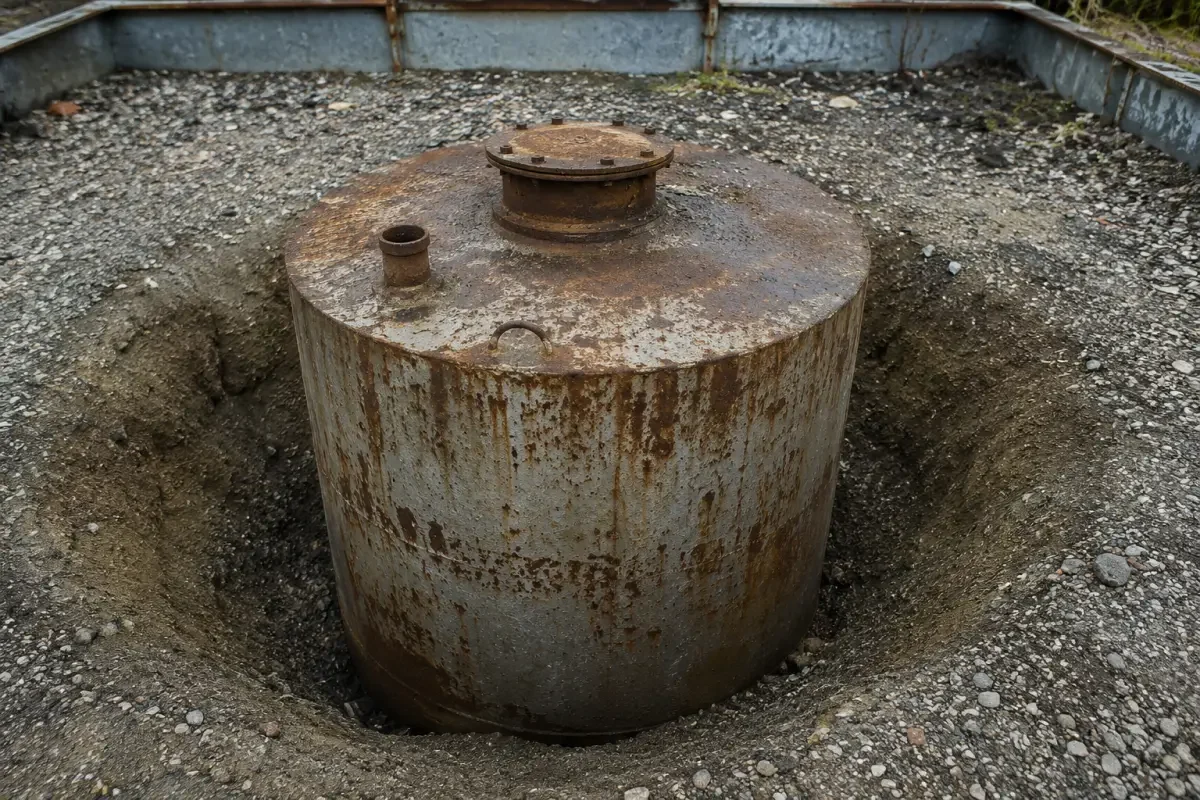
Fuel storage systems are designed to safely contain fuel for long periods. However, even well-built tanks can develop problems over time. One of the most common issues is corrosion.
Corrosion gradually weakens tank surfaces, fittings, and related equipment. If left untreated, it can lead to leaks, spills, and costly repairs. Understanding how corrosion develops can help facility managers reduce risks and protect their assets.Why Corrosion Develops in Fuel Storage Tanks
Corrosion is a natural process that occurs when metal reacts with its environment. Moisture, oxygen, and contaminants can all contribute to metal deterioration.
Fuel storage tanks often operate in challenging conditions. Temperature changes, condensation, and exposure to weather can accelerate corrosion. Even tanks that appear to be in good condition may have hidden corrosion beneath coatings or inside hard-to-reach areas.
The risk increases when maintenance and inspections are delayed. Small areas of corrosion can expand over time and eventually compromise the tank structure.
Common Types of Corrosion in Fuel Storage Systems
Several forms of corrosion can affect fuel storage equipment.
Uniform Corrosion
This type occurs evenly across a metal surface. It develops slowly and is usually easier to detect during inspections.
Although uniform corrosion may seem less serious, it can gradually reduce wall thickness and weaken the tank.
Pitting Corrosion
Pitting corrosion creates small holes in the metal surface. These pits can become surprisingly deep while remaining difficult to identify.
Many fuel leaks begin as small pits that eventually penetrate the tank wall.
Galvanic Corrosion
Galvanic corrosion occurs when two different metals come into contact in the presence of moisture. One metal corrodes faster than the other.
This problem is common around fittings, fasteners, and pipe connections.
Microbiologically Influenced Corrosion
Microorganisms can thrive in water that accumulates inside fuel storage systems. These organisms produce substances that accelerate corrosion.
Over time, they can damage tank surfaces and create conditions that increase the likelihood of leaks.
Warning Signs of Tank Corrosion
Early detection is critical for preventing fuel losses and environmental incidents.
Common warning signs include:
- Rust stains on exterior surfaces
- Bubbling or peeling protective coatings
- Visible pitting or surface damage
- Water accumulation inside tanks
- Discolored fuel samples
- Unusual odors around storage areas
- Damp soil near the tank location
- Frequent maintenance issues involving fittings or valves
Any of these signs should prompt further investigation. Regular inspections help identify problems before they become serious.
Facilities looking to improve inspection programs can benefit from a structured fuel spill containment maintenance checklist that helps track equipment condition and maintenance requirements.
How Corrosion Leads to Fuel Leaks
Corrosion does not usually cause sudden failures. Instead, it weakens equipment gradually. As metal thickness decreases, the tank becomes less capable of containing fuel safely. Small defects can eventually develop into cracks or perforations.
Several factors contribute to this process:
- Continuous exposure to moisture
- Poor drainage around storage areas
- Damaged protective coatings
- Inadequate inspection schedules
- Water contamination inside tanks
Once corrosion penetrates the metal surface, fuel can escape through even the smallest openings. These leaks often go unnoticed in their early stages. By the time visible evidence appears, significant damage may already have occurred.
Environmental and Operational Consequences
Fuel spills can affect much more than the storage system itself. Leaked fuel may contaminate soil, groundwater, and nearby waterways. Cleanup operations can be expensive and time-consuming.
Corrosion-related leaks can also create operational challenges, including:
- Unplanned downtime
- Product losses
- Equipment replacement costs
- Regulatory investigations
- Increased maintenance expenses
For facilities that store large fuel volumes, even minor leaks can result in substantial financial losses. This is one reason many organizations invest in fuel spill containment tanks that provide an additional layer of protection when primary storage systems fail.
Containment systems help prevent escaped fuel from spreading into surrounding areas and reduce the impact of accidental releases.
Preventing Corrosion in Fuel Storage Systems
While corrosion cannot be eliminated entirely, it can be managed effectively. A proactive approach often delivers the best results.
Perform Regular Inspections
Routine inspections help identify corrosion before it becomes severe. Visual assessments, thickness testing, and condition monitoring can reveal problems that are not immediately obvious.
Control Water Accumulation
Water is one of the leading contributors to corrosion. Facilities should regularly remove accumulated water and address sources of moisture intrusion.
Maintain Protective Coatings
Protective coatings act as a barrier between metal surfaces and the environment. Damaged coatings should be repaired promptly to prevent corrosion from spreading.
Monitor Fuel Quality
Contaminated fuel can accelerate corrosion and create conditions that support microbial growth. Regular fuel testing helps detect issues before they affect equipment performance.
Replace Damaged Components
Corroded fittings, valves, and pipe sections should be replaced as soon as practical. Delaying repairs often increases long-term costs.
The Role of Secondary Containment
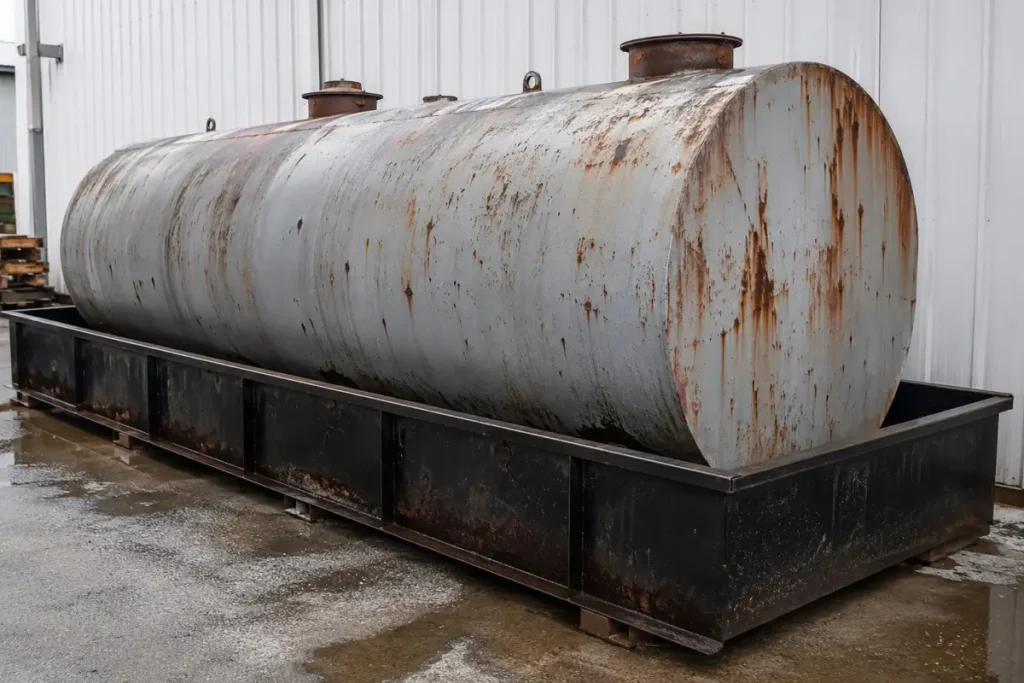
Even with strong maintenance practices, corrosion risks cannot be eliminated completely. For this reason, many facilities use secondary containment systems as part of their overall risk management strategy.
Secondary containment provides a backup barrier if fuel escapes from the primary storage system. Organizations seeking a deeper understanding of containment design, applications, and best practices can refer to a complete guide to fuel spill containment tanks for additional information.
Combining effective corrosion management with appropriate containment measures helps create a more resilient fuel storage system.
Conclusion
Corrosion remains one of the most common causes of fuel storage leaks and spills. It develops gradually but can create serious environmental and operational consequences when ignored.
Understanding the different types of corrosion, recognizing early warning signs, and implementing preventive maintenance measures are essential for protecting fuel storage assets.
Regular inspections, proper water management, and timely repairs can significantly reduce corrosion-related risks. When combined with effective containment solutions, these practices help facilities maintain safer and more reliable fuel storage operations.
