

Stormwater management in Australia is governed by strict regulations. These rules ensure that new developments do not increase flood risk or damage infrastructure.
A properly designed stormwater detention system must meet local council and engineering requirements. It must also perform reliably during peak rainfall events.
Solutions like parthenon osd are often used to meet these standards efficiently.
Why Stormwater Regulations Matter
Urban development increases stormwater runoff. Hard surfaces prevent natural absorption and accelerate water flow.
Without proper control, this can lead to:
- Flooding
- Erosion
- Infrastructure damage
- Environmental impact
Australian regulations aim to reduce these risks. They ensure that post-development runoff does not exceed pre-development levels.
If you need a general overview, see what is a stormwater detention system?
Key Design Requirements
Stormwater detention systems in Australia must meet several core design criteria.
Peak Flow Control
The system must limit discharge to an approved rate. This rate is set by local councils. Engineers calculate peak flow using rainfall data and site characteristics.
Storage Capacity
The system must store sufficient water during storm events.
Storage volume depends on:
- Catchment area
- Rainfall intensity
- Runoff coefficients
Accurate calculations are essential to ensure compliance.
Controlled Discharge
Water must be released at a controlled rate. This is achieved using flow control devices. These devices regulate outflow and prevent sudden surges in the drainage network.
Safety and Overflow Design
Systems must include overflow pathways for extreme events. This ensures that excess water is safely diverted without causing damage.
Structural Integrity
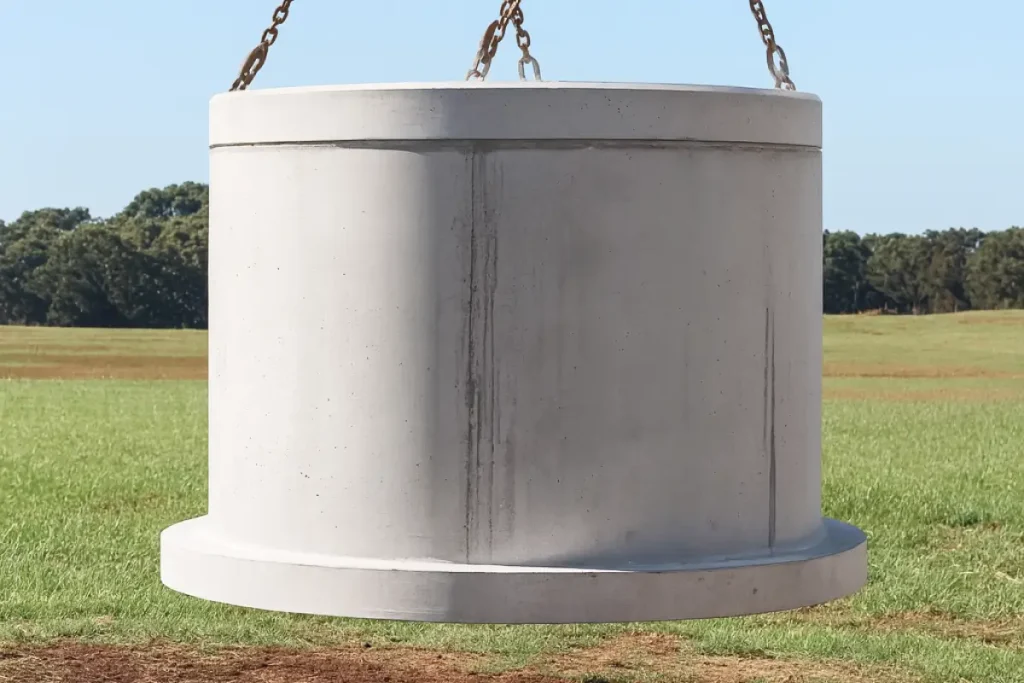
The system must withstand surface loads and environmental conditions. This is especially important for underground installations.
To understand how modern systems achieve this, see how Parthenon OSD works.
Role of Local Councils
Each council in Australia has specific stormwater requirements. These may vary depending on location and project type.
Common requirements include:
- On-site detention (OSD) systems
- Maximum allowable discharge rates
- Design storm criteria
- Maintenance access provisions
Engineers must review local guidelines before finalizing a design.
Design Process Overview
Designing a compliant stormwater detention system involves several steps:
- Site analysis and data collection
- Hydrological calculations
- System sizing and layout
- Selection of materials and components
- Review against council requirements
Each step must be carefully documented and verified.
Importance of Modular Systems in Compliance
Modular detention systems are widely used in Australia. They offer flexibility and efficiency in meeting design requirements.
These systems can be tailored to:
- Fit constrained sites
- Achieve required storage volumes
- Meet discharge limits
They also simplify installation and reduce construction time.
Maintenance and Compliance
Compliance does not end after installation. Ongoing maintenance is required to ensure system performance.
Regular inspections help identify:
- Blockages
- Sediment buildup
- Structural issues
Proper maintenance ensures that the system continues to meet regulatory standards.
Learn more in stormwater detention system maintenance guide.
Why Choosing the Right System Matters
Selecting the right stormwater detention system is critical for compliance.
A well-designed system:
- Meets council requirements
- Reduces flood risk
- Protects infrastructure
- Ensures long-term performance
Systems like Parthenon OSD are designed to meet these challenges in modern developments.
Conclusion
Stormwater detention system design in Australia requires careful planning and compliance with strict regulations. Engineers must consider flow control, storage capacity, and safety features. They must also meet local council requirements.
Modern modular solutions provide an efficient way to achieve compliance. Understanding these requirements helps ensure successful project outcomes and long-term system performance.
