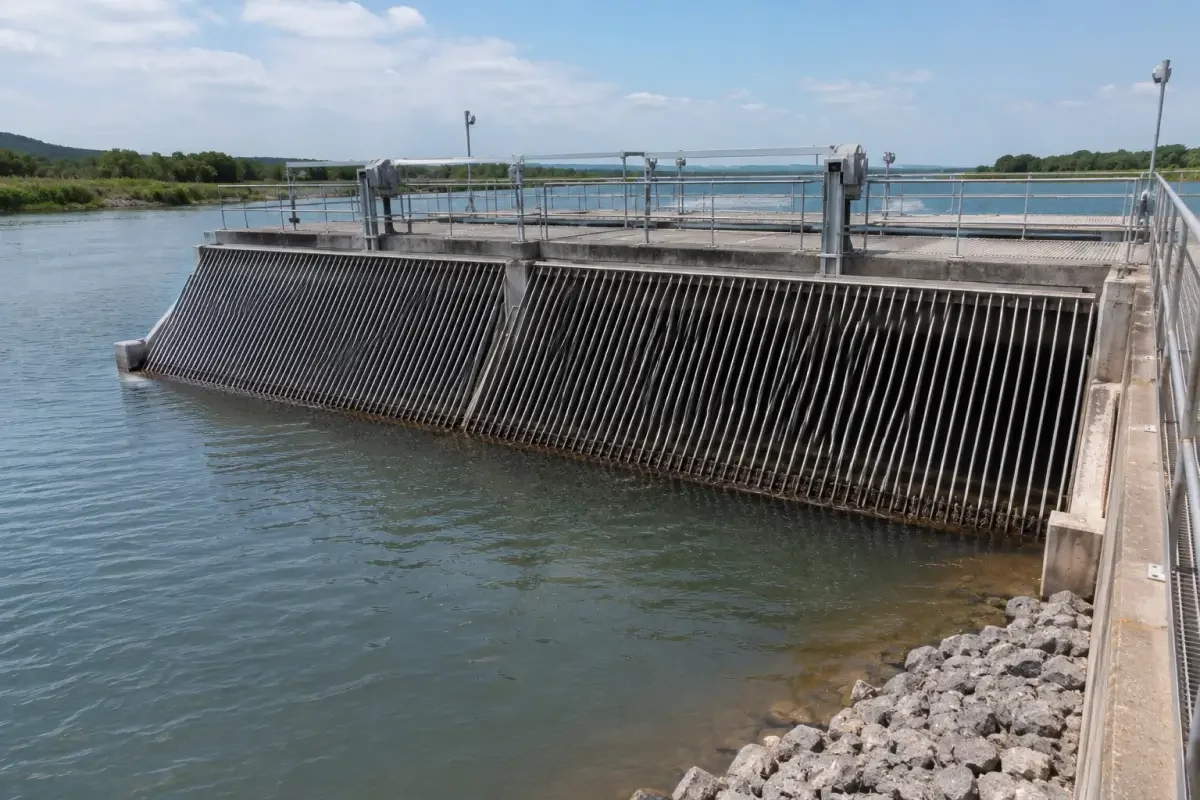
Gross Pollutant Traps (GPTs) play a critical role in protecting stormwater systems by capturing litter, sediment, organic matter, hydrocarbons, and other pollutants before they enter waterways. However, even the most effective GPT will lose performance if maintenance is neglected.
A poorly maintained gross pollutant traps can become blocked, reduce hydraulic capacity, increase flood risk, generate unpleasant odours, and potentially lead to environmental compliance issues.
Implementing a structured maintenance program helps ensure ongoing performance, regulatory compliance, and long-term asset protection.
What Happens when GPT Maintenance is Neglected?
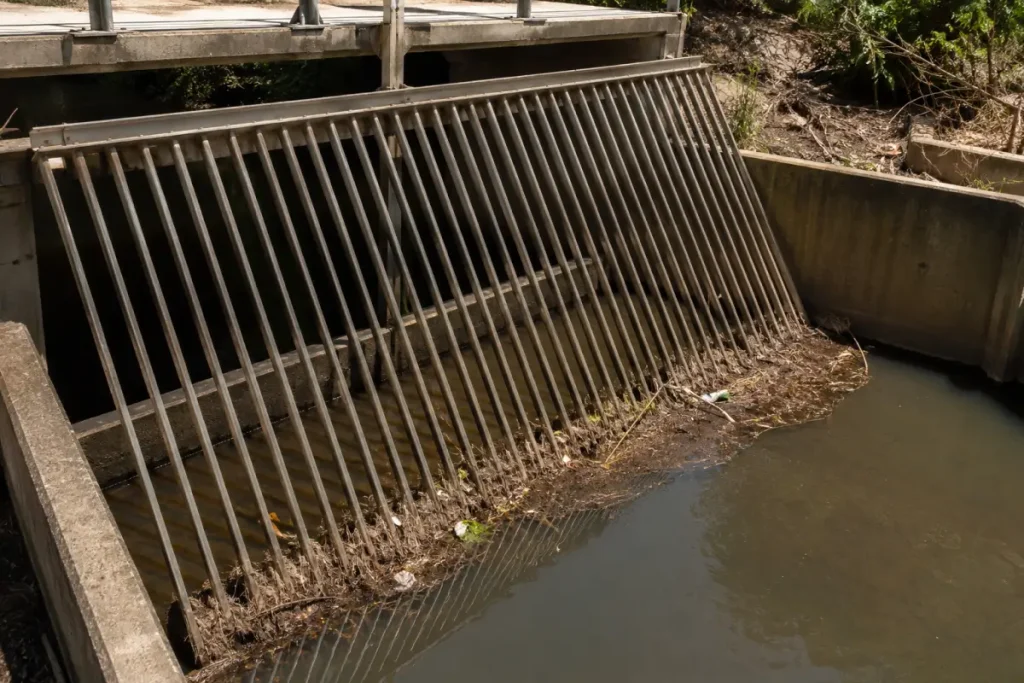
Without regular servicing, accumulated debris and sediment can reduce the efficiency of a gross pollutant trap and create operational issues, including:
- Reduced pollutant capture performance
- Blocked inlet and outlet structures
- Increased risk of stormwater system overflow
- Structural deterioration
- Odour generation from decomposing organic matter
- Increased maintenance costs due to delayed intervention
Routine maintenance is generally more cost-effective than emergency cleaning or major repairs.
Gross Pollutant Trap Maintenance Checklist
The following Gross Pollutant Trap Maintenance Checklist can help facility managers, councils, contractors, and asset owners maintain GPT performance throughout the year.
1. Inspect Debris Accumulation
Check the amount of litter, vegetation, and floating debris captured within the unit.
Look for:
- Plastic waste
- Packaging materials
- Leaves and branches
- Organic debris
- General rubbish
Excessive build-up may indicate that cleaning is required sooner than scheduled.
2. Measure Sediment Levels
Sediment accumulation is one of the most common causes of reduced GPT performance.
Inspect:
- Base sediment depth
- Sediment distribution
- Signs of compaction
- Evidence of scouring
Many operators schedule cleaning once sediment reaches a predetermined storage threshold.
3. Check Inlet and Outlet Structures
Blocked inlet or outlet structures can significantly reduce hydraulic performance.
Inspect for:
- Sediment blockages
- Debris accumulation
- Structural damage
- Corrosion or deterioration
- Restricted water flow
Any obstruction should be removed promptly.
4. Assess Internal Components
Depending on the GPT design, inspect internal components such as:
- Screens
- Baffles
- Separation chambers
- Weirs
- Filter systems
Damaged components should be repaired or replaced to maintain design performance.
5. Remove Captured Waste
Collected material should be removed using appropriate vacuum equipment or mechanical cleaning methods.
Waste may include:
- Sediment
- Organic matter
- Litter
- Hydrocarbons
- Contaminated materials
Disposal should comply with local environmental regulations.
6. Check for Structural Damage
During maintenance activities, inspect the overall condition of the asset.
Look for:
- Cracks
- Corrosion
- Concrete deterioration
- Joint failure
- Access cover damage
Early identification helps prevent costly repairs.
7. Verify Safe Access Conditions
Maintenance personnel should ensure safe access to the GPT before commencing work.
Review:
- Confined space requirements
- Traffic management controls
- Access ladders
- Safety barriers
- Personal protective equipment
All maintenance should be completed in accordance with relevant workplace safety procedures.
8. Record Maintenance Activities
Accurate documentation supports asset management and compliance reporting.
Maintenance records should include:
- Inspection date
- Cleaning date
- Waste volumes removed
- Sediment levels
- Identified defects
- Recommended corrective actions
Maintaining detailed records can help optimise future maintenance schedules.
How Often Should a Gross Pollutant Trap be Maintained?
Maintenance frequency depends on several factors, including:
- Catchment size
- Land use
- Rainfall patterns
- Traffic volumes
- Vegetation levels
- Pollutant load
High-risk urban catchments may require more frequent servicing, while lower-risk sites may operate effectively with less frequent maintenance.
A risk-based maintenance program is typically the most effective approach.
Developing a Preventive Maintenance Program
Rather than waiting for problems to occur, facility managers should implement a proactive maintenance strategy that includes:
- Scheduled inspections
- Routine cleaning
- Condition monitoring
- Performance assessments
- Maintenance record keeping
Preventive maintenance helps maximise GPT efficiency and extend asset life.
Conclusion
Regular gross pollutant trap maintenance is essential for protecting stormwater infrastructure and maintaining environmental performance. By following a structured maintenance checklist, asset owners can reduce operational risks, improve system reliability, and support long-term stormwater management objectives.
A proactive maintenance approach ensures GPT systems continue to perform as intended while helping organisations avoid costly repairs and compliance issues.
