
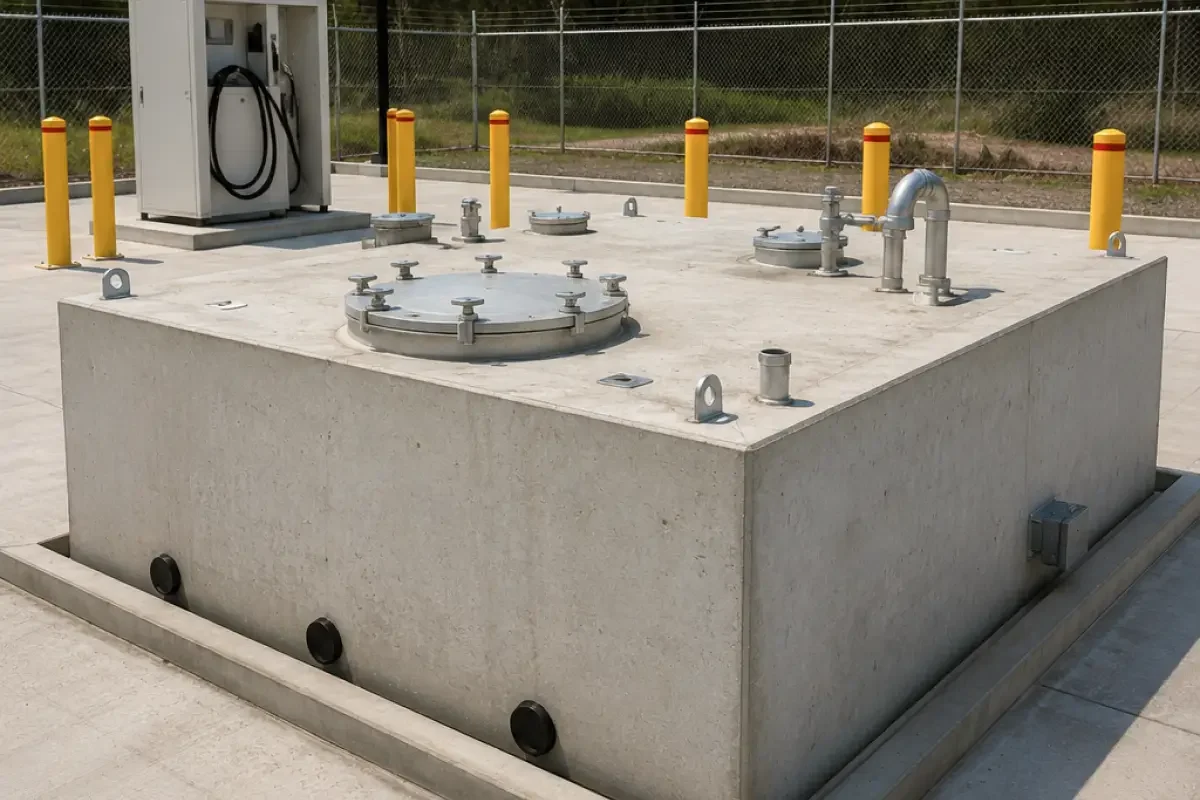
Fuel spill containment tanks are used to reduce fuel storage risks and improve environmental protection. Many industrial sites use either above-ground or underground fuel containment systems.
Choosing the right system depends on site conditions, storage capacity and operational requirements. Understanding the differences between these systems can support safer long-term fuel storage planning.
What are Above-Ground Fuel Spill Tanks?
Above-ground fuel spill tanks are installed on the surface and remain fully accessible. These systems are commonly used across industrial facilities, transport depots and infrastructure projects.
Above-ground containment systems often provide easier inspection and maintenance access. Many operators choose fuel spill tanks for improved visibility and faster leak detection.
Advantages of Above-Ground Fuel Spill Tanks
Above-ground systems offer several operational and maintenance benefits.
Common advantages include:
- Easier inspections
- Faster maintenance access
- Simplified leak detection
- Lower excavation requirements
- Reduced installation complexity
These systems are often suitable for sites with available surface space. Above-ground tanks may also support easier compliance monitoring.
Limitations of Above-Ground Systems
Despite their advantages, above-ground systems may not suit every site. Visible infrastructure may affect space usage and site layout.
Some facilities also require additional weather protection measures. Environmental exposure may increase long-term maintenance requirements.
Larger sites often combine above-ground containment with industrial fuel spill containment infrastructure for added protection.
What are Underground Fuel Spill Tanks?
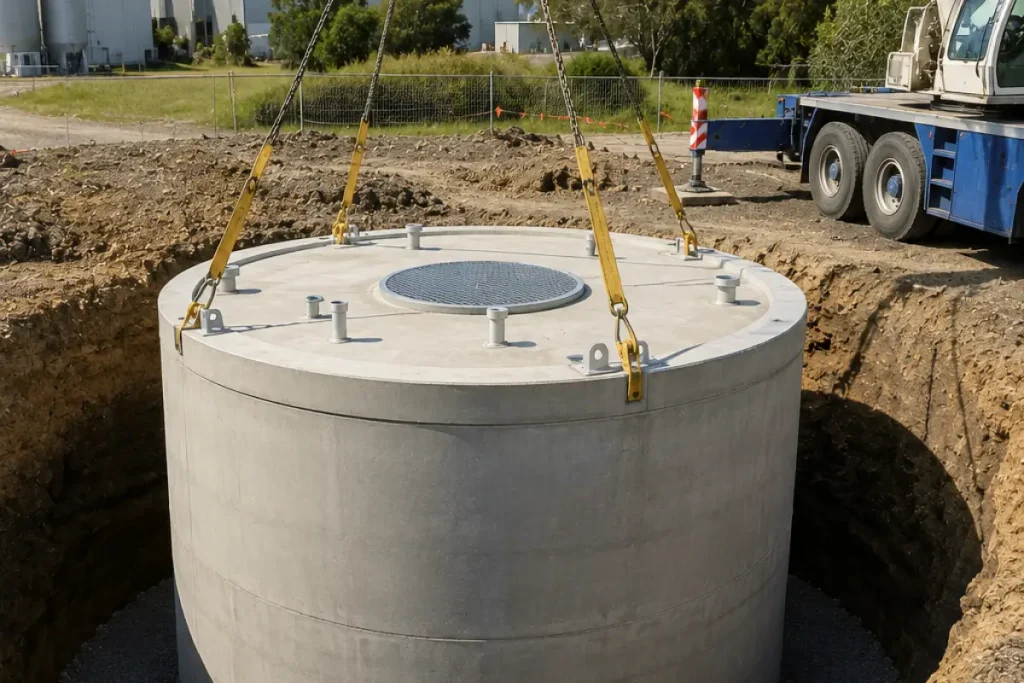
Underground fuel spill tanks are installed below ground level. These systems are commonly used where surface space is limited.
Underground containment systems may improve site accessibility and operational flow. Many infrastructure projects integrate underground fire service tanks alongside underground fuel storage systems.
Advantages of Underground Fuel Spill Tanks
Underground systems provide several site planning advantages.
Common benefits include:
- Improved surface space usage
- Reduced visual impact
- Better traffic flow management
- Additional infrastructure flexibility
- Protection from surface weather conditions
Underground systems are commonly used in urban and high-traffic environments.
Limitations of Underground Systems
Underground containment systems often require more complex installation planning.Excavation and monitoring requirements may increase project costs.
Leaks may also be harder to detect without proper monitoring systems.Routine inspections remain important for long-term containment performance.
Many operators follow structured fuel spill tank maintenance checklist procedures for underground systems.
Maintenance Differences
Maintenance requirements vary between above-ground and underground systems. Above-ground tanks usually allow easier visual inspections and servicing access.
Underground systems may require additional leak monitoring and inspection procedures. Both systems benefit from routine maintenance and scheduled inspections.
Containment systems should always support safe long-term fuel storage practices.
Environmental Considerations
Fuel containment systems help reduce environmental contamination risks. Both above-ground and underground systems require proper containment planning. Poorly maintained systems may affect nearby drainage infrastructure and groundwater.
Environmental protection measures often include:
- Secondary containment
- Leak monitoring
- Drainage management
- Spill response planning
- Scheduled inspections
Which Fuel Spill Tank System is Better?
There is no single solution for every site. The best containment system depends on operational needs, site conditions and environmental risks. Above-ground systems often suit sites requiring easier maintenance access.
Underground systems may work better for space-restricted infrastructure projects. Businesses should review operational and environmental requirements before selecting a containment system.
Factors to Consider Before Installation
Several factors influence fuel spill containment system selection.
Important considerations include:
- Fuel storage volume
- Site layout
- Maintenance access
- Environmental exposure
- Compliance requirements
- Future infrastructure planning
Proper planning supports safer and more reliable fuel storage systems.
Final Thoughts
Both above-ground and underground fuel spill tanks provide important containment and environmental protection benefits. The right system depends on project requirements, operational risks and long-term maintenance considerations.
Understanding the advantages and limitations of each option can help businesses improve fuel storage planning and site safety.
