
Stormwater tanks play a key role in managing runoff and protecting infrastructure. However, their performance depends on the condition of internal components, including liners.
Over time, liners can degrade, leading to reduced efficiency and potential system failure. Replacing a damaged liner is essential to maintain proper operation.
Modern systems like Parthenon OSD are designed for durability, but liner integrity still requires attention in many installations.
What is a Stormwater Tank Liner?
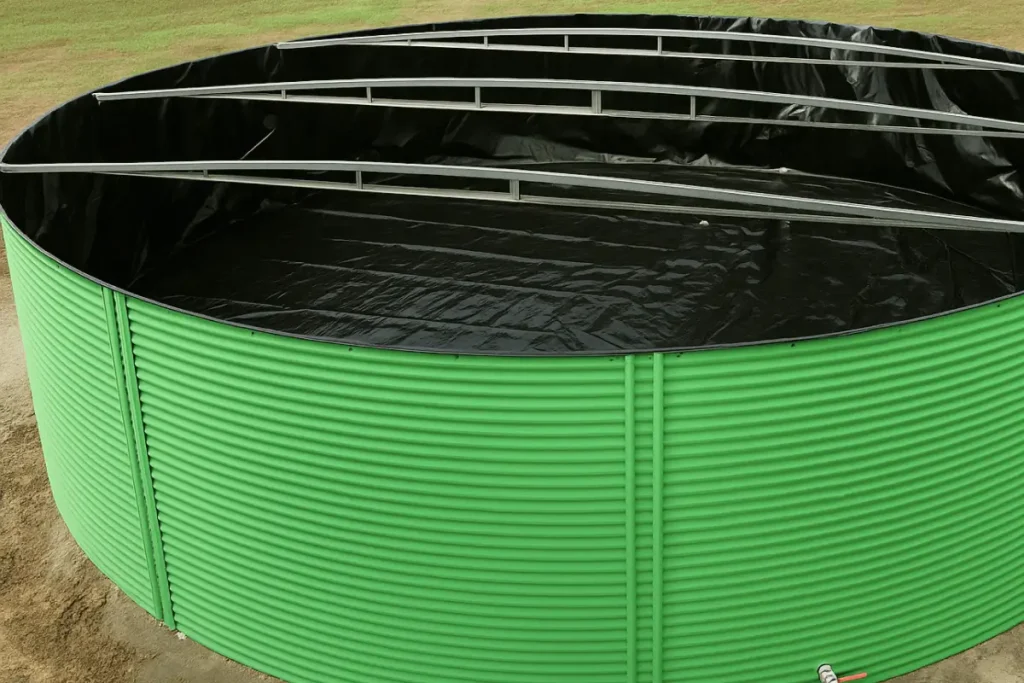
A stormwater tank liner is a protective layer installed inside a tank or storage structure. It prevents water from leaking and protects the structure from damage.
Liners are typically made from durable materials such as:
- PVC
- HDPE
- Rubber-based membranes
They act as a barrier between stored water and the surrounding structure. If you need a broader understanding of stormwater systems, see what is a stormwater detention system?
Why Tank Liners Fail Over Time
Even high-quality liners are subject to wear and tear. Several factors contribute to their deterioration.
Material Aging
Exposure to water, chemicals, and environmental conditions causes materials to degrade over time.
Why Tank Liners Fail Over Time
Even high-quality liners are subject to wear and tear. Several factors contribute to their deterioration.
Material Aging
Exposure to water, chemicals, and environmental conditions causes materials to degrade over time.
Poor Installation
Incorrect installation can lead to weak points, folds, or stress areas that fail prematurely.
Sediment and Debris
Accumulated debris can cause abrasion and reduce the liner’s lifespan.
Regular inspection helps identify these issues early. For ongoing care, see stormwater detention system maintenance guide.
Signs That Liner Replacement is Needed
Recognizing early warning signs can prevent larger problems.
Common indicators include:
- Visible cracks or tears
- Water leakage
- Reduced storage efficiency
- Unusual structural stress
Ignoring these signs can lead to system failure and costly repairs.
Risks of Delaying Liner Replacement
Delaying replacement can have serious consequences.
Reduced System Performance
A damaged liner compromises the system’s ability to store and control water.
Increased Flood Risk
Leaks and reduced capacity can lead to uncontrolled discharge during storms.
Structural Damage
Water escaping from the liner can weaken surrounding materials.
Compliance Issues
Damaged systems may no longer meet regulatory requirements.The Liner Replacement Process
Replacing a stormwater tank liner involves several steps:
- Drain and clean the tank
- Inspect the existing structure
- Remove the damaged liner
- Install a new liner
- Test for leaks and performance
Proper installation is critical to ensure long-term durability.
Choosing the Right Liner Material
Selecting the correct material depends on several factors:
- Tank size and design
- Environmental conditions
- Expected load and usage
- Budget considerations
High-quality materials provide better resistance to wear and longer service life.
How Modern Systems Reduce Liner Issues
Modern stormwater solutions are designed to minimize maintenance challenges. Modular systems often reduce reliance on traditional liners. They use engineered components that improve durability and performance.
To understand these advantages, see benefits of modular stormwater systems.
Systems like osd tanks are built with efficiency and long-term reliability in mind.
Preventing Future Liner Problems
Preventive maintenance can extend the life of a tank liner.
Best practices include:
- Regular inspections
- Removing debris buildup
- Monitoring system performance
- Addressing small issues early
Proactive care reduces the need for frequent replacements.
Conclusion
Stormwater tank liner replacement is an important part of system maintenance. A damaged liner can reduce performance and increase risk. Identifying issues early and replacing liners when needed helps maintain system efficiency.
Modern solutions like parthenon osd offer improved durability, but regular inspection remains essential. Proper maintenance and timely upgrades ensure long-term reliability and compliance.
