

Urban development changes how water moves across land. Natural soil absorbs less rainwater in built environments. This creates excess runoff that must be managed effectively.
A stormwater detention system is designed to control this runoff. It temporarily stores water and releases it at a controlled rate. This helps prevent flooding and protects drainage infrastructure.
Modern solutions, including Parthenon OSD, are engineered to deliver efficient and scalable stormwater control.
What is a Stormwater Detention System?
A stormwater detention system is a structure that holds rainwater during peak flow periods. It slowly releases water into the drainage network after the storm.
Unlike retention systems, detention systems do not store water permanently. They are designed for short-term storage only.
These systems are commonly used in:
- Commercial developments
- Industrial sites
- Residential subdivisions
- Urban infrastructure projects
To understand how advanced systems work, see how modular solutions like stormwater storage systems are applied in modern projects.
Why Stormwater Detention is Important
Stormwater runoff increases significantly in urban areas. Hard surfaces such as concrete and asphalt prevent natural infiltration.
Without proper control, this can lead to:
- Local flooding
- Erosion of drainage channels
- Overloaded stormwater systems
A stormwater detention system reduces these risks. It manages peak discharge and stabilizes water flow. For a deeper comparison of system types, see stormwater detention vs retention systems.
How a Stormwater Detention System Works
A detention system follows a simple but effective process:
- Rainfall collects on surfaces
- Water flows into the detention system
- The system temporarily stores excess water
- Water is released through a controlled outlet
This process ensures that downstream infrastructure is not overwhelmed. Modern systems often include flow control devices, overflow structures, and filtration components.
To learn more about system design, refer to how Parthenon OSD works.
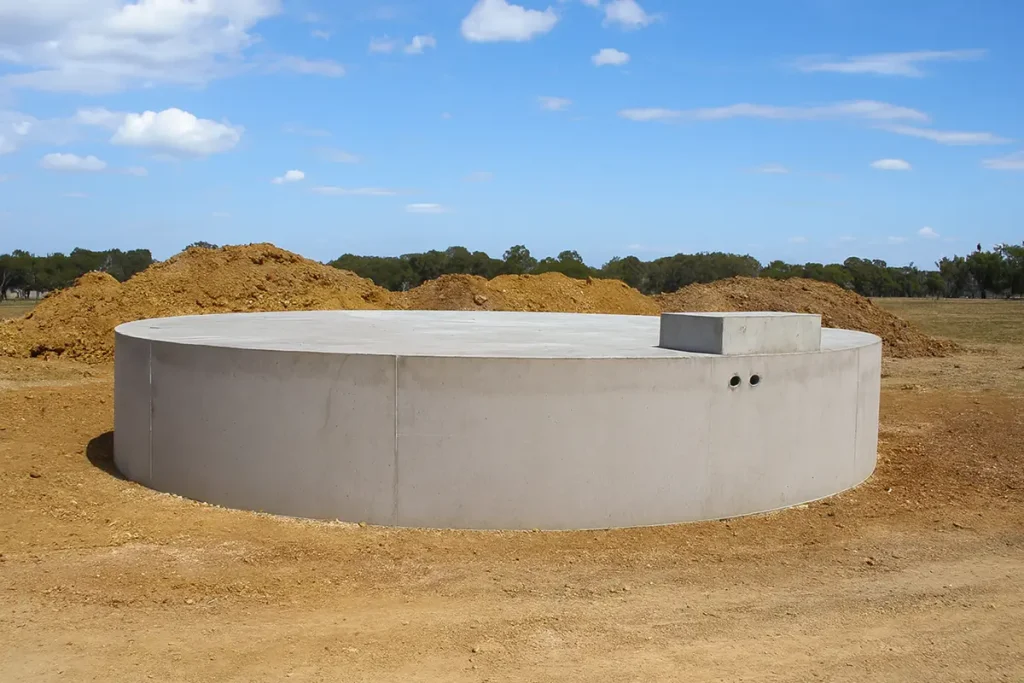
Key Components of a Detention System
Most stormwater detention systems include several core elements.
Storage Structure
This is the main chamber where water is stored. It can be underground tanks, pipes, or modular units.
Inlet System
The inlet directs stormwater into the system. It may include grates, pits, or channels.
Outlet Control
The outlet regulates the discharge rate. This is critical for meeting design requirements.
Overflow Mechanism
Overflow systems manage excess water during extreme rainfall events.
Access Points
Maintenance access points allow inspection and cleaning.
For long-term performance, proper upkeep is essential. Learn more in stormwater detention system maintenance guide.
Types of Stormwater Detention Systems
There are several types of detention systems used in modern construction.
Underground Tank Systems
These systems store water below ground. They save surface space and are common in urban areas.
Pipe-Based Systems
Large pipes can act as temporary storage chambers. They are often used in linear developments.
Modular Detention Systems
Modular systems are flexible and efficient. They can be configured to suit different site conditions.
Solutions like Parthenon OSD use modular technology to optimize space and performance.
Benefits of Stormwater Detention Systems
Stormwater detention systems provide multiple advantages for developers and engineers.
Flood Risk Reduction
They control peak flow and reduce the risk of flooding.
Infrastructure Protection
They prevent overloading of drainage systems.
Regulatory Compliance
They help meet local stormwater management requirements.
Space Efficiency
Modern systems can be installed underground, preserving usable land.
Design Flexibility
Modular systems can be adapted to complex sites.
Detention vs Retention: What’s the Difference?
Detention and retention systems are often confused. However, they serve different purposes:
- Detention systems temporarily store water and release it slowly
- Retention systems store water permanently and allow infiltration
Detention systems are ideal for managing peak flow in urban environments. Retention systems are more suitable for groundwater recharge and environmental applications.
Design Considerations
Designing a stormwater detention system requires careful planning.
Key factors include:
- Site size and layout
- Rainfall intensity
- Soil conditions
- Local regulations
- Required discharge rate
In Australia, projects must comply with council requirements and engineering standards.
Why Modular Systems are Gaining Popularity
Modular detention systems are becoming the preferred solution in many projects.
They offer:
- Faster installation
- Scalability
- High load-bearing capacity
- Efficient use of space
Systems such as Parthenon OSD are designed to meet modern engineering demands. They provide a balance between performance, durability, and flexibility.
Conclusion
Stormwater detention systems play a critical role in urban water management. They reduce flooding risk and protect infrastructure.
As cities continue to grow, effective stormwater solutions are essential. Modern modular systems offer reliable and scalable performance.
Understanding how these systems work helps engineers and developers make better decisions.
Solutions like onsite stormwater detention system represent the next step in efficient stormwater management.
