
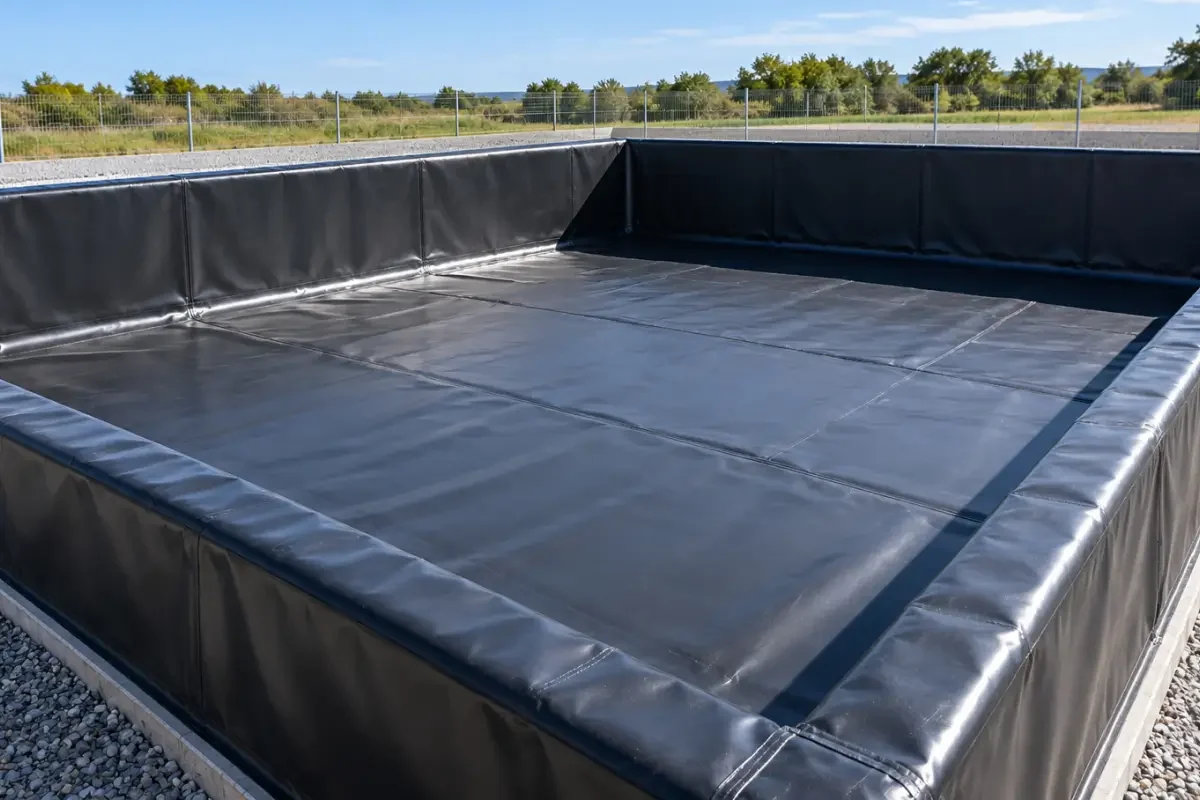
Fuel storage facilities require reliable containment systems to manage leaks, spills, and accidental releases. Without suitable protection, escaped fuel can contaminate soil, groundwater, and surrounding drainage systems.
Fuel bund liners provide an important protective barrier within certain secondary containment systems. They help prevent spilled liquids from penetrating underlying surfaces or escaping through vulnerable areas.
However, not every lining material can withstand prolonged fuel exposure. Diesel, petrol, lubricants, and other petroleum products can interact differently with protective membranes and coatings. Incorrect material selection may lead to swelling, cracking, softening, or premature deterioration.
Installation quality, environmental conditions, and maintenance practices also influence containment performance. Understanding these factors helps facility managers select appropriate protection and identify potential problems before they become serious.
This guide explains fuel bund liner materials, chemical compatibility, common failure mechanisms, and practical maintenance considerations.
What is a Fuel Bund Liner?
A fuel bund liner is a protective barrier used within a secondary fuel containment area. Its purpose is to help prevent spilled fuel from escaping into surrounding soil, groundwater, or infrastructure. Bund liners may be installed in containment areas surrounding fuel tanks, equipment, or storage facilities.
They can also protect surfaces exposed to accidental releases during fuel handling and transfer operations.
Depending on the application, a lining system may consist of:
-
Flexible polymer membranes.
-
Chemically resistant protective coatings.
-
Reinforced containment liners.
-
Engineered composite lining systems.
-
Specialised joint and penetration sealing components.
The appropriate solution depends on the stored substances and containment structure. A liner must remain compatible with the liquids it may contact.
It must also withstand expected environmental conditions and mechanical loads.
How Fuel Bund Liners Support Secondary Containment
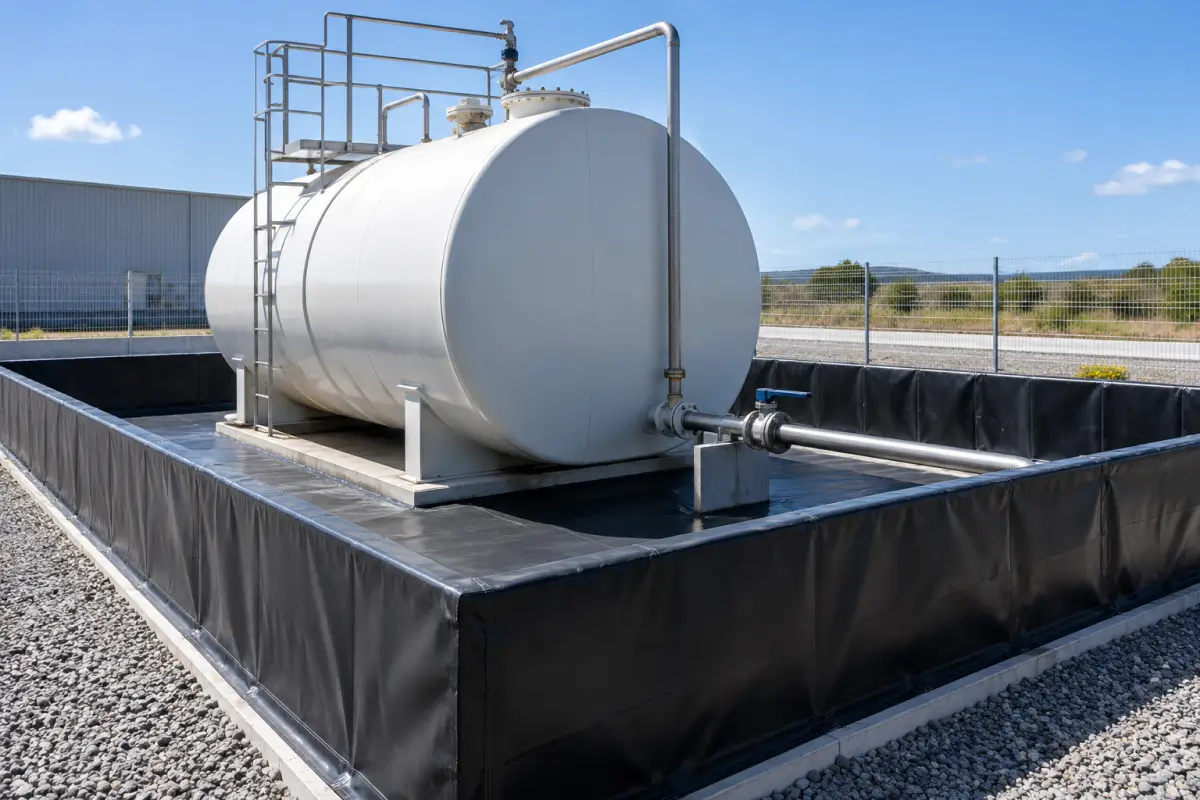
Primary containment refers to the tank or vessel holding the stored fuel. Secondary containment provides additional protection if the primary system leaks or fails. A bund may consist of a surrounding wall, floor, and suitable impermeable barrier.
The lining system helps maintain the integrity of that containment area. During a spill, the bund temporarily retains released liquid. This allows appropriate response procedures to begin before the liquid reaches surrounding areas.
However, a liner alone does not create a complete secondary containment system. Containment capacity, drainage arrangements, structural integrity, and operational procedures also require consideration.
Fuel Bund Liners vs Fuel Spill Tanks
Fuel bund liners and fuel spill tanks serve related purposes but use different containment approaches. A bund liner forms part of a protective barrier within a containment area. A fuel spill tank is an engineered storage structure designed to collect or retain released liquids.
The appropriate solution depends on site layout, spill scenarios, operating requirements, and engineering design. Some facilities may require a combination of containment measures.
Understanding these differences helps prevent unsuitable system selection.
Our guide to fuel spill containment tanks explores additional containment approaches for industrial fuel storage facilities.
Why Fuel Bunds need Chemical-Resistant Linings
Fuel containment systems must resist the substances they are designed to retain. A surface that appears waterproof may not provide suitable resistance to petroleum products.
Certain liquids can penetrate, degrade, or otherwise affect unsuitable materials. Chemical-resistant linings help reduce these risks when correctly specified and installed.
Preventing Fuel Migration
Fuel can migrate through cracks, joints, and other vulnerable pathways. The risk depends on the containment structure and the properties of the spilled liquid.
A suitable lining system provides an additional barrier against liquid movement. However, its effectiveness depends on continuous coverage and sound connections.
Defective seams or damaged penetrations may compromise containment performance.
Protecting Concrete and Other Substrates
Concrete is commonly used in industrial containment structures. Although durable, untreated concrete should not automatically be considered impermeable to every fuel product.
Cracks, construction joints, and surface defects can create potential migration pathways. Suitable coatings or liners may help protect these vulnerable areas.
The selected system must accommodate expected substrate conditions. Surface preparation and application quality are especially important.
Supporting Environmental Protection
Fuel releases can create environmental and operational consequences. Escaped petroleum products may affect surrounding land and water systems.
Secondary containment helps reduce the likelihood of uncontrolled migration. However, effective protection requires more than a chemically resistant liner.
Facility operators must also consider spill response, inspection, drainage, and maintenance procedures.
Common Fuel Bund Liner Materials
Fuel bund liners are manufactured from different materials to meet specific containment requirements. Material selection depends on fuel composition, exposure duration, temperature, mechanical conditions, and installation requirements.
A material suitable for water containment may not withstand petroleum products. Manufacturers should provide relevant chemical compatibility information before a lining system is specified.
HDPE Fuel Bund Liners
High-Density Polyethylene (HDPE) is used in various industrial and environmental containment applications. HDPE geomembranes can offer useful chemical resistance and mechanical durability when properly specified.
They are used in selected secondary containment systems, including certain fuel storage applications.
Potential advantages include:
-
Resistance to many industrial chemicals.
-
Durable membrane construction.
-
Availability in different thicknesses.
-
Compatibility with suitable welding methods.
-
Resistance to selected environmental conditions.
However, HDPE is not universally resistant to every petroleum product. Fuel mixtures may affect geomembrane performance differently from individual chemical components.
Research has demonstrated that gasoline exposure can affect HDPE geomembrane performance under certain conditions. Chemical compatibility should therefore be confirmed for the actual fuel mixture.
HDPE also requires appropriate installation and substrate preparation. Its relatively stiff structure can make irregular surfaces and concentrated stresses challenging.
LLDPE Fuel Bund Liners
Linear Low-Density Polyethylene (LLDPE) offers greater flexibility than conventional HDPE. This characteristic can be useful where containment surfaces have irregular shapes. LLDPE may accommodate certain substrate movements more easily.
However, flexibility alone does not establish suitability for fuel containment. Chemical compatibility depends on the specific polymer formulation and exposure conditions.
Some fuels may affect material properties over time.
Relevant considerations include:
-
Fuel composition.
-
Exposure duration.
-
Operating temperature.
-
Membrane thickness.
-
Mechanical loading.
-
Seam construction.
Product-specific testing should guide selection.
PVC Liners
Polyvinyl Chloride (PVC) membranes are used in selected industrial containment applications. Flexible PVC can accommodate complex shapes and installation geometries. However, PVC formulations vary significantly.
Plasticisers and other additives influence flexibility, chemical resistance, and durability. Certain petroleum products can interact unfavourably with some flexible PVC formulations. Potential effects include material swelling, softening, or changes in mechanical properties.
PVC should therefore not be selected for fuel containment without appropriate compatibility evidence. A product suitable for temporary containment may not be appropriate for prolonged fuel exposure.
Chemically Resistant Coatings
Some fuel bunds use protective coating systems rather than flexible membranes. These coatings may be applied to prepared concrete or other suitable substrates. Examples include selected epoxy, polyurethane, and specialised chemical-resistant systems.
However, performance varies considerably between formulations. Not every epoxy or polyurethane coating resists petrol, diesel, or other hydrocarbons.
The coating must be specified for the intended substances and exposure conditions.
Installation considerations include:
-
Substrate cleanliness.
-
Surface moisture.
-
Surface preparation.
-
Coating thickness.
-
Curing conditions.
-
Joint treatment.
-
Chemical exposure limits.
Improper preparation can reduce adhesion and compromise containment performance.
Reinforced and Composite Liners
Some applications use reinforced membranes or engineered composite lining systems. These products may combine different materials to achieve specific performance characteristics. Reinforcement can improve certain mechanical properties.
However, chemical resistance still depends on the materials exposed to the fuel. Composite systems should be assessed as complete products.
The compatibility of seams, adhesives, and accessories also matters.
Fuel Bund Liner Material Comparison
| Material | Potential advantages | Important considerations |
|---|---|---|
| HDPE | Durability and resistance to many chemicals | Fuel-specific compatibility, seam quality, flexibility |
| LLDPE | Greater flexibility | Formulation-specific chemical resistance |
| PVC | Flexible installation options | Plasticiser interactions and fuel compatibility |
| Chemical-resistant coatings | Can protect prepared structural surfaces | Substrate preparation and product-specific resistance |
| Reinforced composite liners | Engineered mechanical properties | Compatibility of all layers and joints |
This comparison provides general guidance rather than material approval. The final selection should follow manufacturer data and project-specific engineering requirements.
How Fuel Type Affects Liner Compatibility
Fuel bund liner compatibility depends on the actual substances present. Petroleum products differ in chemical composition, volatility, and potential interactions with polymers.
The same lining material may respond differently to different fuels.
Diesel Fuel
Diesel storage is common across industrial, agricultural, and commercial facilities. A diesel containment liner must resist the relevant fuel formulation.
Compatibility should consider potential additives and changes in fuel composition. Exposure duration also matters.
A material suitable for brief incidental contact may not be appropriate for prolonged immersion.
Petrol
Petrol contains a mixture of hydrocarbons with different chemical characteristics. Certain components may interact with polymer materials.
This can influence swelling, permeability, and mechanical performance. A liner suitable for diesel should not automatically be considered suitable for petrol.
Product-specific compatibility information is essential.
Lubricating Oils
Industrial facilities may store lubricants and hydraulic oils alongside fuels. These substances can have different formulations and additive packages.
Their compatibility with a lining system should be assessed separately. A single bund containing multiple substances requires careful consideration.
The selected material must suit the credible spill scenarios.
Fuel Additives and Mixed Substances
Modern fuel products may contain additives or blended components. These can influence chemical interactions with containment materials.
A generic statement of hydrocarbon resistance may be insufficient. Compatibility assessments should consider the actual product specifications.
Safety data sheets can help identify relevant substances and hazards. However, they do not replace liner manufacturer compatibility testing.
What Causes Fuel Bund Liners to Fail?
Fuel bund liner failure can result from chemical degradation, mechanical damage, or installation defects. Environmental exposure and poor maintenance may increase these risks.
Understanding common failure mechanisms supports better inspection and prevention.
Chemical Incompatibility
Chemical incompatibility can alter liner properties.
Potential effects include:
-
Swelling.
-
Softening.
-
Hardening.
-
Loss of flexibility.
-
Surface deterioration.
-
Reduced mechanical strength.
These changes may develop gradually. A liner can appear relatively intact while its properties have already changed.
Explore common signs of fuel tank corrosion to understand how deterioration can compromise primary fuel storage systems.
Mechanical Damage and Punctures
Fuel containment areas may contain equipment, pipework, and maintenance access routes. Sharp objects or concentrated loads can damage exposed membranes.
Common causes include:
-
Dropped tools.
-
Equipment movement.
-
Sharp substrate irregularities.
-
Abrasion.
-
Poorly protected edges.
-
Heavy objects placed directly on liners.
Mechanical damage may create leakage pathways even when the liner material remains chemically stable. Suitable protective measures help reduce these risks.
Seam and Joint Failure
Seams connect separate sections of flexible lining material. Their integrity is essential for continuous containment.
Seam defects may result from:
-
Incorrect welding conditions.
-
Poor surface preparation.
-
Contamination during installation.
-
Excessive movement.
-
Inadequate quality control.
-
Long-term mechanical stress.
Joint failure can create pathways for fuel migration. Seam inspection and appropriate testing should form part of installation quality assurance.
UV Exposure and Weathering
Outdoor bund liners may experience prolonged sunlight exposure. UV radiation can affect certain polymer formulations.
Potential consequences include surface degradation and reduced flexibility. Weathering resistance depends on material composition and stabilisation.
Exposed systems should be designed for local environmental conditions.
Temperature Changes
Temperature influences polymer behaviour and chemical interactions. Elevated temperatures may accelerate some degradation processes.
Low temperatures may reduce flexibility in certain materials. Repeated expansion and contraction can also stress seams and connections.
Operating limits should reflect manufacturer specifications.
Poor Substrate Preparation
A liner requires suitable support from the underlying surface. Sharp objects, uneven areas, and unsupported sections can create stress concentrations.
These conditions may increase puncture or tearing risks. Concrete coatings also require appropriate surface preparation.
Poor adhesion may cause blistering or separation. Installation quality is therefore critical to long-term performance.
Common Signs of Fuel Bund Liner Deterioration
Early identification of liner deterioration helps reduce containment risks. Visible changes should be documented and assessed.
However, not every defect can be identified through visual inspection alone.
Cracks and Tears
Cracks or tears may compromise containment integrity. Their significance depends on location, size, and material condition.
Damage around joints and penetrations requires particular attention. Even small defects can become important during a spill.
Blistering and Swelling
Blistering may indicate problems with coatings, adhesion, moisture, or chemical exposure. Swelling can suggest interaction between the liner and stored substances.
However, these symptoms have multiple possible causes. Professional assessment may be necessary to determine their significance.
Seam Separation
Visible separation around membrane seams can indicate loss of containment integrity. Joint movement or localised damage may also suggest installation or structural problems.
Suspected seam defects should be investigated promptly.
Surface Hardening or Softening
Changes in material flexibility may indicate chemical or environmental deterioration. Unusual hardening, softening, or tackiness should be recorded.
Comparing affected areas with unaffected material can help identify changes. However, laboratory testing may be required to establish material condition.
Unexplained Liquid Loss
Unexpected liquid movement or evidence of leakage may indicate a containment problem. However, the source may involve the liner, drainage arrangements, or another structural component.
A systematic assessment is necessary to identify the cause.
How to Reduce Fuel Containment Liner Failure Risks
Preventive maintenance and appropriate operating procedures support reliable secondary containment. The maintenance programme should reflect the facility’s hazards and containment design.
Conduct Regular Visual Inspections
Routine inspections can identify visible damage before a major spill occurs.
Important areas include:
-
Liner surfaces.
-
Seams and joints.
-
Penetrations.
-
Corners and edges.
-
Equipment contact areas.
-
Protective coatings.
-
Drainage components.
Inspection findings should be documented. Repeated defects may indicate underlying design or operational problems.
Keep Bunds Free from Unnecessary Liquids
Rainwater and other accumulated liquids reduce available containment capacity. They may also conceal liner damage. Australian environmental guidance emphasises managing accumulated liquids and maintaining bund integrity.
Collected water should not be released without appropriate assessment and lawful disposal arrangements. Potential contamination must be considered.
Prevent Equipment Damage
Maintenance activities can create puncture and abrasion risks. Operators should avoid dragging sharp objects across exposed membranes.
Protective access arrangements may be necessary in frequently used areas. Equipment movement should be considered during containment design.
Review Chemical Compatibility
Fuel formulations and storage requirements may change over time. New substances should not be introduced without checking liner compatibility.
Compatibility reviews should include coatings, seams, seals, and other exposed components.
Maintain Inspection Records
Consistent documentation helps identify deterioration trends.
Useful records include:
-
Inspection dates.
-
Photographs.
-
Observed defects.
-
Previous repairs.
-
Fuel exposure incidents.
-
Material specifications.
-
Maintenance recommendations.
Records also support decisions about further testing or refurbishment.
Australian Fuel Bunding Requirements and Environmental Considerations
Fuel containment systems in Australia must account for applicable environmental and dangerous goods requirements. These requirements depend on the location, stored substances, facility type, and operating conditions.
The Victorian EPA’s liquid storage guidance addresses secondary containment, spill prevention, maintenance, and risk management. NSW EPA guidance also identifies the importance of impermeable bunding and suitable liquid storage practices.
Understanding Australian fuel storage requirements is essential, as explained in our fuel spill containment requirements guide.
Containment Capacity
Bund capacity must be appropriate for the relevant storage risks and regulatory requirements. A common design reference is 110% of the largest container.
However, this figure should not be treated as a universal requirement for every Australian installation. Additional factors may include multiple containers, rainfall, firefighting water, and site-specific conditions.
Capacity should be established through applicable standards and engineering assessment.
Stormwater Protection
Fuel containment systems must prevent uncontrolled releases into stormwater infrastructure. Rainwater entering a bund may become contaminated.
It should not automatically be discharged into stormwater drains. NSW EPA guidance recommends keeping liquid storage areas separated from stormwater drainage pathways.
Appropriate drainage isolation and liquid management are essential.
Our gross pollutant trap maintenance checklist explains routine maintenance practices for managing pollutants within stormwater treatment systems.
Relevant Standards and Site Requirements
AS 1940 addresses the storage and handling of flammable and combustible liquids. Its applicability depends on the substances and storage arrangements involved.
Other standards, dangerous goods regulations, and environmental licence conditions may also apply. Facility operators should verify current requirements for their state or territory.
A suitable liner does not independently establish regulatory compliance. The complete containment system must meet relevant requirements.
When Should a Fuel Bund Liner be Professionally Assessed?
Professional assessment may be necessary when visible deterioration or suspected leakage affects containment integrity.
Important warning signs include:
-
Repeated liner damage.
-
Unexplained leakage.
-
Significant seam separation.
-
Extensive cracking.
-
Chemical swelling.
-
Coating delamination.
-
Structural movement.
-
Damage around penetrations.
An assessment may involve visual examination, material review, or appropriate integrity testing. The method depends on the liner material and suspected failure mechanism.
Where a site requires engineered secondary containment, suitable fuel spill tanks may form part of the overall protection strategy. The selected system should reflect the facility’s storage requirements and environmental risks.
Conclusion
Fuel bund liners play an important role in secondary containment and environmental protection. Their effectiveness depends on chemical compatibility, material selection, installation quality, and ongoing maintenance.
HDPE, flexible membranes, protective coatings, and composite systems offer different performance characteristics. No single material is suitable for every fuel storage application.
Chemical exposure, mechanical damage, seam defects, and environmental conditions can all affect liner integrity. Regular inspections help identify deterioration before containment performance becomes seriously compromised.
For industrial facilities, a suitable lining system should form part of a broader fuel spill management strategy. Effective secondary containment helps protect surrounding infrastructure, reduce environmental risks, and support safer fuel storage operations.
