

Stormwater management plays a vital role in modern urban infrastructure. As cities expand and climate patterns shift, handling rainfall runoff efficiently becomes increasingly important for environmental protection, infrastructure stability, and community safety. Understanding stormwater system challenges helps municipalities, industries, and property managers maintain reliable drainage and storage performance over time.
Increasing Urbanization and Surface Runoff
One of the primary stormwater system challenges stems from rapid urban development. Paved surfaces such as roads, parking areas, and buildings limit natural soil absorption, causing higher volumes of runoff during rainfall events.
This increased runoff can strain drainage systems, elevate flood risks, and place pressure on storage infrastructure designed to manage excess water.
Climate Variability and Extreme Weather
Changing climate conditions introduce additional complexity. More frequent heavy rainfall events, unpredictable storm patterns, and seasonal extremes can test the capacity of stormwater systems.
Infrastructure originally designed for historical rainfall patterns may face new performance demands. Adaptability and forward-looking infrastructure planning become essential for long-term resilience.
Sediment, Debris, and Contamination
Stormwater runoff often carries sediment, organic matter, pollutants, and debris. Over time, accumulation can affect system performance, reduce storage capacity, and influence water quality.
Effective planning typically includes routine infrastructure condition assessments to monitor system performance and environmental impact. Awareness helps reduce operational disruptions and environmental risks.
Infrastructure Aging and Material Durability
Many stormwater systems operate for decades, making aging infrastructure a common concern. Exposure to moisture, pollutants, temperature changes, and mechanical stress gradually affects materials.
Understanding material durability and environmental exposure helps inform infrastructure planning and performance evaluation.
Environmental and Regulatory Considerations
Environmental regulations often require responsible stormwater management to protect waterways, groundwater, and ecosystems. Compliance expectations may evolve over time as environmental standards strengthen.
Facilities that anticipate regulatory trends often find it easier to maintain operational continuity while supporting environmental stewardship.
Integration with Broader Water Management Systems
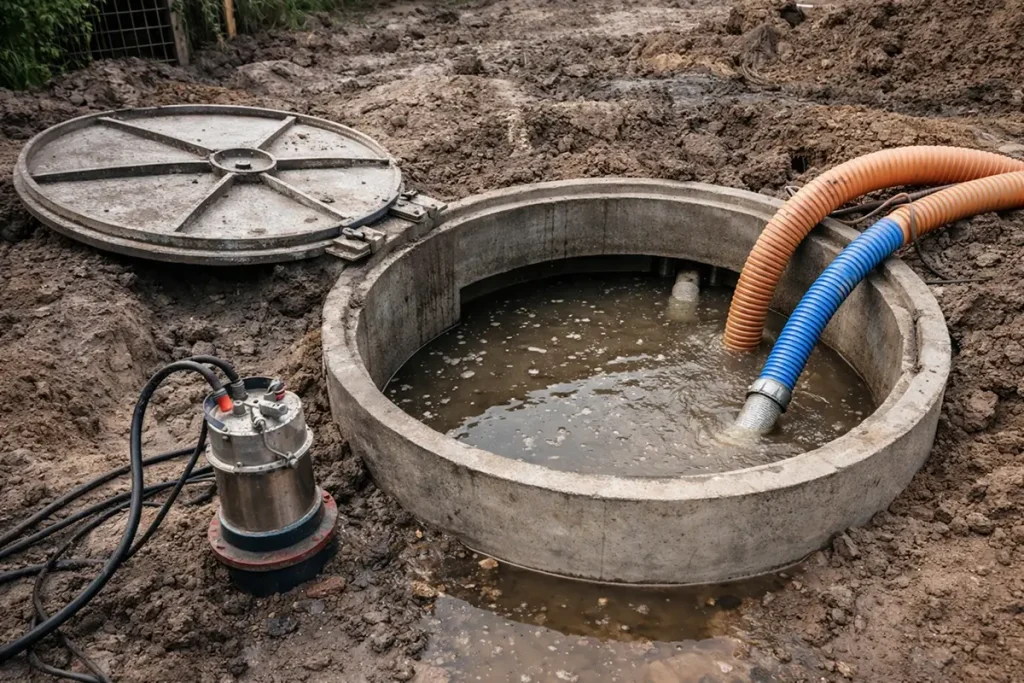
Stormwater infrastructure rarely operates in isolation. It often connects with drainage networks, storage tanks, treatment systems, and urban planning initiatives. Coordinated system design supports efficient water flow management and reduces infrastructure stress.
Integrated planning helps cities and industries respond more effectively to changing environmental conditions.
Public Safety and Community Impact
Poorly performing stormwater systems can affect transportation, property stability, and public safety. Flooding, erosion, and contamination risks highlight the importance of reliable water management infrastructure.
Proactive awareness supports safer communities and more resilient urban environments.
Supporting Sustainable Water Infrastructure
Addressing stormwater system challenges involves balancing environmental responsibility, infrastructure reliability, and urban development needs. Effective planning helps reduce flood risks, protect ecosystems, and support sustainable city growth.
When stormwater systems remain reliable, communities benefit from improved environmental protection, stable infrastructure performance, and better long-term water management outcomes.
