

Urban stormwater runoff is one of the leading contributors to water pollution in cities. As rainfall flows over roads, rooftops, and paved surfaces, it collects pollutants that are then discharged into rivers, creeks, and coastal waters. To reduce these impacts, cities increasingly rely on well-planned stormwater quality improvement approaches that focus on managing pollutants before they reach natural waterways.
This article explores how stormwater quality can be improved through strategic planning, pollution control methods, and integrated water management practices.
Why Stormwater Quality Matters
Stormwater quality directly affects the health of aquatic ecosystems and the communities that depend on them. Polluted runoff can degrade habitats, reduce biodiversity, and compromise recreational and drinking water sources.
Unlike wastewater, stormwater is often released untreated. As urban areas expand, the volume and speed of runoff increase, making proactive water quality management essential for sustainable development.
Common Sources of Stormwater Pollution
Stormwater pollution originates from many everyday urban activities. Common sources include:
- litter and plastic waste
- sediments from construction and erosion
- oils, fuels, and hydrocarbons from roads
- organic debris such as leaves and grass clippings
- nutrients from fertilisers and landscaping
- metals and residues from industrial areas
When these pollutants accumulate in runoff, they create ongoing water quality challenges.
Stormwater Quality Improvement Approaches Explained
Stormwater quality improvement approaches focus on reducing pollution at different stages of the runoff process. Rather than relying on a single solution, effective management typically combines multiple strategies.
Key approaches include:
- reducing pollutant generation at the source
- slowing and filtering runoff
- capturing contaminants before discharge
- integrating treatment measures into urban infrastructure
Together, these methods help minimise environmental impact and improve overall water quality.
Role of Physical Pollution Control Measures
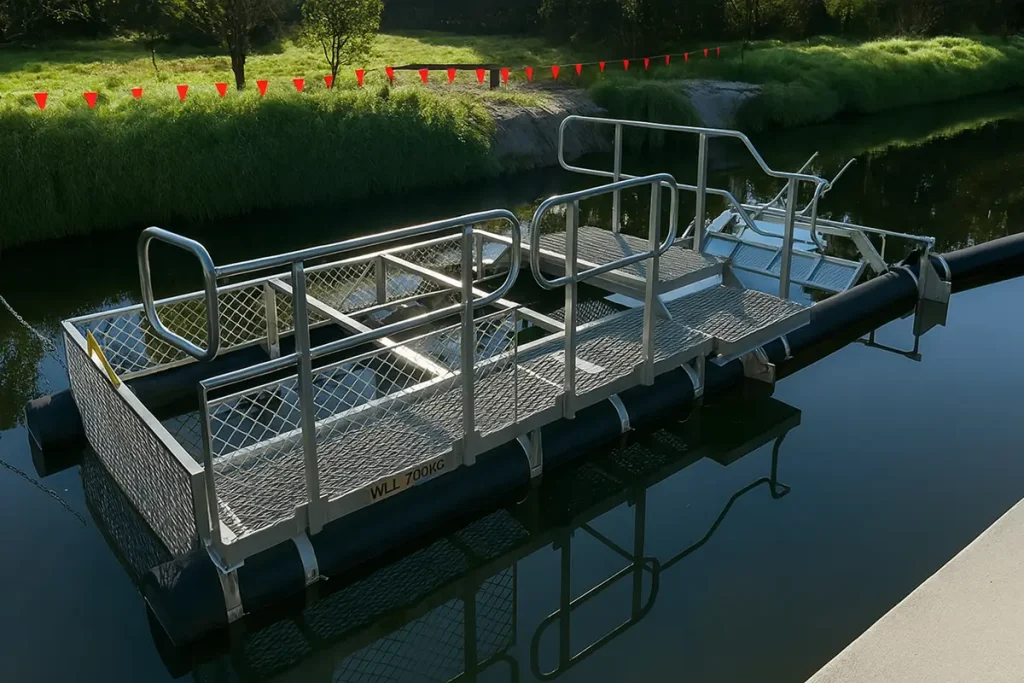
Physical pollution control measures play an important role in improving stormwater quality. These measures are designed to intercept runoff and remove pollutants such as debris, sediments, and organic material.
By capturing pollutants early, physical control systems help reduce downstream contamination and protect sensitive waterways. They are commonly used in urban drainage networks, industrial areas, and high-runoff locations as part of broader stormwater management strategies.
In urban drainage networks, stormwater pollutant control solutions help intercept debris and sediments before contaminated runoff is discharged into natural waterways.
Integrating Stormwater Quality Into Urban Planning
Long-term stormwater quality improvement depends on integrated planning rather than isolated solutions. Urban planners and environmental managers increasingly consider water quality at every stage of development.
Integrated approaches may involve:
- aligning drainage design with environmental objectives
- coordinating land use and stormwater infrastructure
- monitoring runoff quality over time
- adapting management strategies as conditions change
This holistic approach supports more resilient and sustainable urban water systems.
Environmental Benefits of Improving Stormwater Quality
Improving stormwater quality delivers measurable environmental benefits. Cleaner runoff reduces sedimentation, limits nutrient overload, and lowers the concentration of toxic substances entering waterways.
These improvements help restore aquatic habitats, protect biodiversity, and enhance the ecological health of rivers and coastal zones. Over time, effective stormwater quality improvement also reduces the need for costly remediation efforts.
Key Takeaways
Urban stormwater runoff is a major source of water pollution
- Stormwater quality improvement approaches address pollution at multiple stages
- Reducing, filtering, and capturing pollutants improves waterway health
- Physical pollution control measures support broader management strategies
- Integrated planning is essential for long-term water quality improvement
Understanding how stormwater quality can be improved helps communities and decision-makers protect waterways while supporting sustainable urban growth.
