
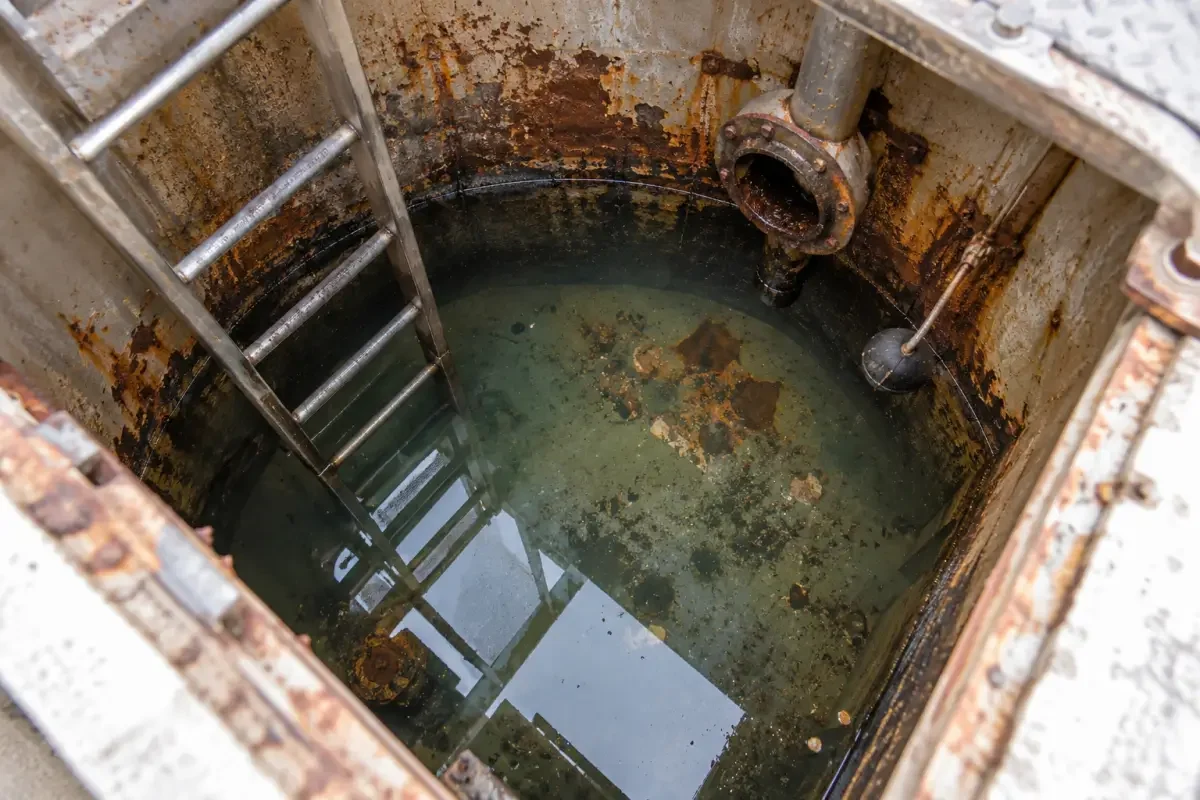
Stormwater detention tanks help manage water during periods of heavy rainfall. They temporarily store stormwater and control its release into drainage systems.
However, detention tanks operate in demanding conditions. Water, sediment, debris, moisture, and environmental exposure can affect their condition over time.
Regular stormwater detention tank inspections provide useful information about these changes. They can identify developing problems before they become more significant.
Inspections also help track how different tank components change throughout their service life. Understanding this process is important for anyone responsible for stormwater infrastructure.
What is a Stormwater Detention Tank?
A stormwater detention tank temporarily holds stormwater collected from roofs, paved areas, and other surfaces. The stored water is then released at a controlled rate. This process helps reduce pressure on downstream drainage infrastructure.
Detention differs from permanent water storage. A detention tank is normally designed to empty after a rainfall event. The available storage volume must remain sufficient for the system to perform as intended.
Stormwater detention tanks can be installed above ground or below ground. Their materials, sizes, and configurations can also vary.
Different systems may include:
- concrete tanks;
- steel tanks;
- modular storage systems;
- underground chambers;
- inlet structures;
- outlet structures;
- flow control devices;
- access points;
- internal supports.
Each system operates within specific site and environmental conditions. These differences can influence how a tank changes throughout its service life.
What are Stormwater Detention Tank Inspections?
Stormwater detention tank inspections involve assessing the visible condition of the tank and its associated components. The main purpose is to understand the current condition of the system. An inspection may identify deterioration, accumulated material, damaged components, or changes affecting normal operation.
The exact inspection method depends on the tank design and site conditions. Accessibility also influences which areas can be examined safely. Some inspections focus mainly on external conditions. Others may include internal areas when suitable access is available.
Stormwater tank inspections should not be confused with cleaning or repair work. Inspection provides information about condition. Maintenance activities address specific problems identified within the system.
This distinction helps create a clearer picture of how the tank changes over time. Regular stormwater detention tank inspections provide a reliable way to assess tank condition and identify areas requiring maintenance or further investigation.
Why Stormwater Tank Inspections Matter
A detention tank may appear relatively simple. However, several elements must work together for effective stormwater management. The tank requires adequate storage volume. Water must also enter and leave through the intended pathways.
Structural components must remain suitable for their intended function. Conditions inside the tank can gradually change between inspections.
Sediment may accumulate. Metal components may corrode. Debris may affect water movement. Small defects can also develop as materials age.
Stormwater detention tank inspections provide an opportunity to identify and document these changes.
Inspection findings can support decisions about:
- maintenance requirements;
- sediment removal;
- further investigation;
- repair planning;
- condition monitoring;
- future inspections.
This information becomes especially useful as stormwater infrastructure ages.
How Stormwater Detention Tanks Change Over Time
Stormwater tanks are repeatedly exposed to water, moisture, sediment, and environmental contaminants. These conditions can gradually affect different parts of the system. Changes do not always occur at the same rate.
A tank receiving high sediment loads may develop different conditions from a relatively clean system. Construction materials also matter.
Steel, concrete, coatings, seals, fasteners, and other components respond differently to long-term exposure. Several processes can influence tank condition.
Sediment Accumulation
Stormwater can carry soil, sand, organic material, and other particles into a detention tank. Some of this material settles after entering the tank.
Sediment can gradually build up across the tank floor. Accumulation may also be uneven. Certain areas can collect more material because of internal water movement.
Over time, these deposits may occupy part of the available storage space.
Corrosion
Metal components can deteriorate when exposed to moisture and other environmental conditions. Corrosion may affect panels, fasteners, supports, ladders, brackets, or other metallic components.
Its development depends on the material and surrounding environment. Protective coatings can also deteriorate with age or damage.
Concrete Deterioration
Concrete detention tanks can develop visible changes over time. These may include cracking, staining, surface deterioration, or other material changes.
Not every visible crack represents the same condition. Location, width, pattern, and progression can provide important information about observed cracking.
Debris Accumulation
Leaves, litter, organic matter, and other debris can enter stormwater systems. This material may collect around inlets, outlets, screens, or other components.
Accumulated debris can influence water movement through parts of the system.
Component Ageing
Seals, joints, fittings, access covers, and other components can deteriorate with age. Their condition may also be influenced by movement, moisture, and repeated environmental exposure.
Regular observations help show whether these changes remain stable or continue developing.
Our stormwater tank inspection checklist provides a practical overview of the key areas commonly reviewed during an inspection.
Common Problems Found During Stormwater Tank Inspections
The conditions found during an inspection depend heavily on the tank and its environment. However, several types of deterioration are commonly associated with stormwater infrastructure.
Sediment Buildup
Sediment is a normal consequence of stormwater entering many detention systems. The important factors include how much material accumulates and where it settles.
Large deposits can occupy space originally intended for temporary stormwater storage. Sediment can also cover tank surfaces and make their condition more difficult to observe.
Corrosion and Material Deterioration
Corrosion can affect exposed metal surfaces and components. Early corrosion may appear as localised surface changes.
More advanced deterioration can affect larger areas or penetrate further into the material. Recording these areas allows their condition to be compared during future inspections.
Cracks and Surface Damage
Cracks can develop in concrete components for several reasons. Some may remain stable over long periods. Others may require further investigation.
Inspection records can help determine whether visible cracking changes over time.
Leaks and Water Staining
Water staining can sometimes indicate previous or ongoing water movement. However, the source may not always be immediately obvious.
Joints, penetrations, connections, and surrounding surfaces may require closer examination.
Blocked or Restricted Components
Sediment and debris can accumulate around hydraulic components. Restricted openings may influence how stormwater moves through the detention system.
The significance of the restriction depends on the component and system design.
Damaged Access Components
Access covers, hatches, ladders, and related components may deteriorate over time. Their condition matters because these elements provide access for future inspections and maintenance.
Damaged access infrastructure can make later work more difficult.
How Sediment can Affect Detention Tank Performance
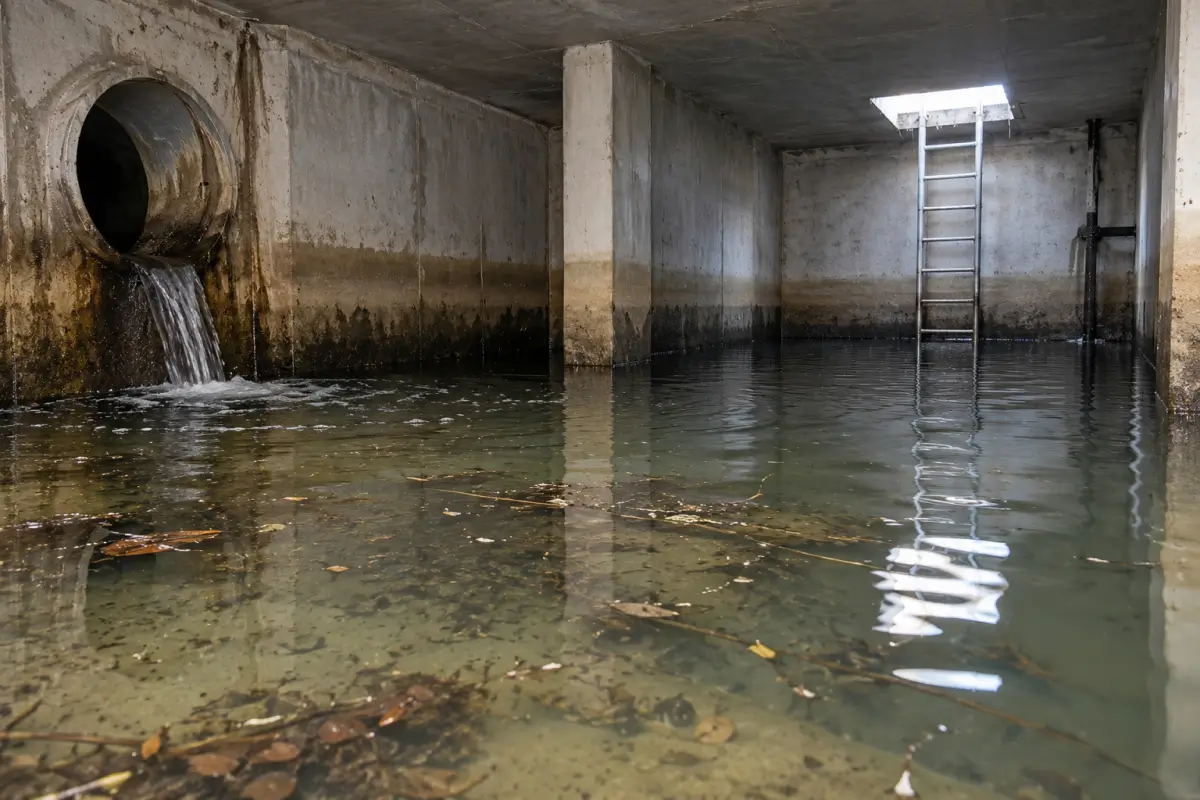
Sediment deserves particular attention because detention tanks depend on available storage volume. A tank is designed to temporarily hold a specific volume of stormwater. Material accumulating on the floor occupies some of that internal space.
Small deposits may have little immediate effect. However, continued accumulation can gradually reduce available detention volume. Sediment can also collect around outlets and other hydraulic components.
This accumulation may affect water movement through specific parts of the system. The amount of sediment entering a tank varies considerably between sites.
Several factors can influence sediment loading:
- surrounding soil conditions;
- nearby landscaping;
- construction activity;
- catchment characteristics;
- upstream treatment systems;
- rainfall patterns;
- maintenance practices.
Sediment levels can therefore change differently across otherwise similar detention tanks. Inspection findings provide information about actual conditions within a particular system.
This information can support decisions about cleaning or further assessment.
Structural Condition and Long-Term Tank Performance
The structural condition of a detention tank is another important consideration. Different tanks rely on different structural systems. Concrete tanks may use walls, slabs, columns, joints, and reinforcement.
Panel tanks may rely on interconnected panels, fasteners, supports, and sealing systems. Other designs may include internal frames or modular structural components. These elements can be affected by ageing and environmental exposure.
Visible changes may include:
- corrosion;
- cracking;
- deformation;
- coating deterioration;
- damaged connections;
- surface defects;
- signs of movement.
The presence of a visible defect does not automatically explain its significance. Some conditions may only require monitoring. Others may justify further investigation.
Inspection documentation provides a factual record to support these decisions. Changes can then be compared during future stormwater tank inspections.
Inlet, Outlet and Flow Control Conditions
A detention tank does more than store water. It must also receive and release stormwater in a controlled manner. Inlets allow stormwater to enter the storage area.
Outlets allow stored water to leave according to the system design. Flow control components can regulate the discharge rate. The condition of these components can therefore influence overall system operation.
Sediment, debris, damage, or deterioration may affect specific openings or connections. Water can also leave visible signs around these areas. For example, staining or accumulated material may indicate repeated flow patterns.
Inspections help document these observations. The findings can support maintenance decisions or further investigation when required.
The purpose is not simply to confirm that each component exists. It is to understand how component condition may relate to system performance.
Internal and External Tank Conditions
Stormwater detention tank inspections may consider both internal and external conditions. Each perspective provides different information about the asset.
Internal areas are directly exposed to stored stormwater, sediment, debris, and moisture.
Internal observations may identify:
- sediment accumulation;
- corrosion;
- surface deterioration;
- damaged internal components;
- staining;
- debris;
- visible joint conditions.
External areas experience different environmental influences. Weather, surrounding soil, drainage conditions, vegetation, and physical damage can affect accessible external surfaces.
External observations may reveal deterioration that is difficult to identify from inside the tank. Neither perspective automatically provides a complete picture.
Tank design and accessibility determine which areas can reasonably be assessed. Combining available observations can create a more useful record of overall tank condition.
What Influences Stormwater Tank Inspection Frequency?
There is no single inspection frequency suitable for every stormwater detention tank. Different systems operate under different conditions.
Inspection frequency may also depend on applicable requirements and asset management practices. Several practical factors can influence inspection planning.
Tank Age
Older infrastructure may have a longer history of deterioration or previous repairs. Previous inspection records become particularly useful as tanks age.
Previous Inspection Findings
A tank with recurring issues may require closer monitoring. The same applies when an earlier inspection identifies a condition requiring continued observation.
Sediment Load
Some sites naturally introduce more sediment into stormwater systems. Higher accumulation rates may influence inspection and maintenance planning.
Tank Materials
Different materials have different deterioration mechanisms. Inspection planning should consider how those materials respond to their operating environment.
Environmental Exposure
Moisture, groundwater, coastal conditions, and soil conditions can influence deterioration. Exposure may also vary across different parts of the same tank.
Changes Around the Site
Construction, landscaping, altered drainage, or changed land use may affect stormwater entering the tank. These changes can modify sediment, debris, and water loads.
Applicable Requirements
Local requirements, engineering specifications, maintenance plans, and asset policies may establish specific inspection expectations. These requirements should be considered when developing an inspection program.
Inspection, Maintenance and Cleaning: what is the Difference?
Inspection, maintenance, and cleaning are related activities. However, they serve different purposes. An inspection assesses and records current conditions. It can identify visible deterioration, accumulated material, damaged components, or other relevant observations.
Cleaning focuses on removing unwanted material. This may include sediment, debris, organic matter, or other accumulated material. Maintenance involves actions intended to preserve or restore system condition.
Examples include repairing components, replacing damaged parts, or addressing identified deterioration. These activities often support each other.
An inspection may identify sediment requiring removal. Cleaning may then expose surfaces that were previously hidden.
Further assessment can provide more information about those newly accessible areas. Good condition management often depends on information gathered across several activities.
Professional stormwater tank maintenance services can help address deterioration, sediment buildup, and other issues identified during an inspection.
Why Stormwater Tank Inspection Records Matter
A single inspection provides information about one point in time. A series of inspections can provide something more valuable: evidence of change. Condition records allow observations to be compared over several years.
This can help distinguish stable conditions from progressive deterioration.
For example, records may show whether:
- corrosion is expanding;
- cracking has changed;
- sediment is accumulating rapidly;
- the same outlet repeatedly becomes restricted;
- previous repairs remain stable;
- new defects have appeared.
Photographs can also support these comparisons. Images taken from similar locations can make visible changes easier to identify. Clear written descriptions are equally important.
Records should provide enough context for future reviewers to understand previous observations. Consistent documentation supports more informed long-term asset management.
Understanding the Tank as Part of a Wider Stormwater System
A detention tank does not operate independently. It forms one part of a broader stormwater management system. Upstream infrastructure determines what reaches the tank.
Downstream infrastructure influences where released water travels. Problems elsewhere in the system can therefore affect conditions inside the tank. For example, upstream sediment control can influence the amount of material entering the tank.
Changes to surrounding surfaces may also alter stormwater volumes and contaminant loads. Downstream restrictions can influence water movement after discharge.
This wider context is important when interpreting inspection findings. A condition observed inside the tank may sometimes reflect changes elsewhere in the drainage network.
Stormwater detention tank inspections provide information about the tank itself. However, that information becomes more useful when considered alongside the wider stormwater system.
The Role of Inspections in Long-Term Asset Management
Detention tanks can remain in service for many years. Managing them effectively involves more than responding to obvious problems. Reliable condition information supports longer-term planning.
Regular stormwater tank inspections can create a history of how an asset changes. This history can support decisions about maintenance, investigation, cleaning, and future works. It may also help identify recurring conditions.
Repeated sediment accumulation may indicate a broader issue within the catchment or upstream infrastructure. Similarly, recurring corrosion can provide information about environmental exposure and material performance. Inspection findings do not replace engineering assessment when specialised analysis is required.
Instead, inspections provide evidence that can indicate when further assessment may be appropriate. This makes inspection an important part of broader stormwater asset management.
Conclusion
Stormwater detention tanks perform an important role within drainage systems. Their condition can change through sediment accumulation, ageing, corrosion, debris, and environmental exposure. Many of these changes develop gradually.
Stormwater detention tank inspections provide information about how a tank is changing over time. They can identify deterioration, accumulated material, component issues, and other visible conditions. Inspection records also make long-term comparisons possible.
This information can support maintenance planning and further investigation when necessary. Stormwater tank inspections ultimately provide a clearer understanding of an asset throughout its service life.
That understanding supports informed management of stormwater detention infrastructure.
